In modern day, it is evident across the Caribbean that aspects of varying cultures continue to be forgotten for many reasons including but not limited to globalization. In this post, I will be exploring the forgotten culture of East Indians in Belize.
As someone who is half Creole and half East Indian, I often have identity crises. Especially when I have to fill out forms, and I’m only permitted to select one box under the ethnicity section. I grew up mostly with my mother’s Creole side of the family, aside from occasional visits to my paternal East Indian grandfather, grandaunt, and a few cousins in western Belize during summer and Christmas breaks. I speak Creole, I write Creole, I cook, and I eat Creole. My mom tried her best for me to get know as much of my dad’s side of the family growing up, and she often makes my favourite East Indian dish (the traditional way) to this day – Tacari chicken. Since I’ve grown older, I’ve had the opportunity to travel southern Belize, where my father is from, and to immerse myself in the East Indian culture through meeting more family, eating East Indian cuisines, and attending festivals and events aimed at preserving the little East Indian culture left.
I say the little East Indian culture left not to belittle the culture or to reduce the efforts of those who work hard to preserve the culture, but to emphasize how many aspects of Indian culture have already been lost by the East Indians in Belize over a century ago. Aspects such as language, food, dress and even names.
Let’s start with the names. My paternal grandfather told me some years before he passed away that his parents, came to Belize from Jamaica. Let’s put a pin in Jamaica for a bit. When I was at my grandfather’s burial in 2017, one of my dad’s first cousins was telling my older sister and that “Guy” isn’t the original spelling of our last name. Apparently, the Europeans had difficulty pronouncing the names, so they changed the spelling. According to the article, Ghai was changed to Guy and Pahemran was changed to Parham (Parham is my paternal East Indian grandmother’s last name). The article goes on to say, “Some employers thought it was better for the servants to adopt their last names, so this resulted in East Indians having names like Borland, Edwards, Jacobs, Coleman, and Jackson.” My father’s grandmother’s maiden name was Jackson, and I often wonder what her original name was or should have been.
Furthermore, traditional East Indian outfits are mostly worn for festivals and dances today. The East Indians in Belize do not speak any of the numerous Indian languages; however, certain words and phrases relating to food have been passed down. The East Indians migrants brought the yellow ginger (turmeric) plant from India with them. Yellow ginger in Belize is also referred to as its Hindi translation, herdi. Another Hindi word commonly used among the East Indian population is sano which means to eat with fingers. Of course, it can be seen that East Indian cuisines all over the Caribbean are not 100% traditional Indian meals because migrants had to make do with what their new homes afforded them. Popular East Indian dishes with names of Indian origin are Tacari, which is simply meat that has been spiced with yellow ginger, and dhal roti, which is roti that has been stuffed with dhal and baked or fried. Fried dhal roti is more popular in southern Belize.
The amnesia of the various aspects of East Indian culture I have mentioned before affect the younger generation whether we know it or not. Something as simple as a last name is enough to identify your culture, i.e. ethnic group, or immediate family in Belize. But if most, if not all, East Indians in Belize do not have the original spelling and pronunciation of their last name, don’t you think they might feel less of a connection with the land of their ancestors? The weakening of this connection and the ideas that the colonizers have put in our heads may lead us to disrespect ourselves. It is very popular for East Indians to be called coolies. Today, the younger generation is quite fine with being called coolie; they refer to themselves as coolie and call other East Indians coolie. The term coolie translates to unskilled worker or a labourer, and this term was not used in a nice way during indentureship. Ignorance of our history has caused us to talk down to ourselves without even knowing it.
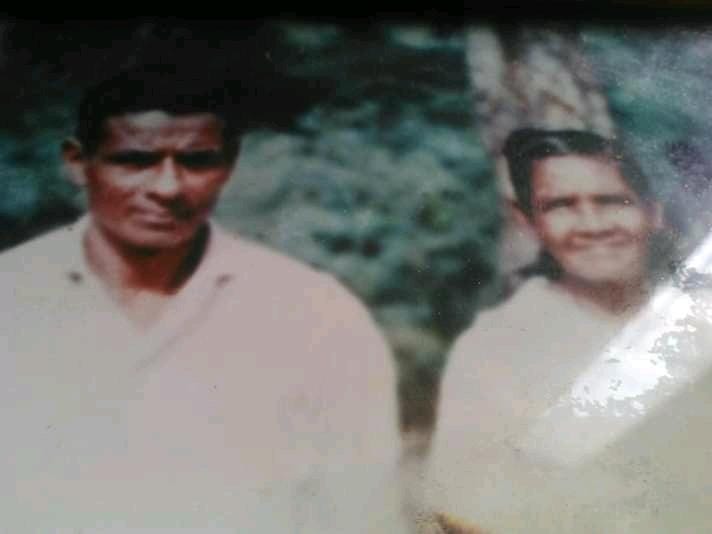
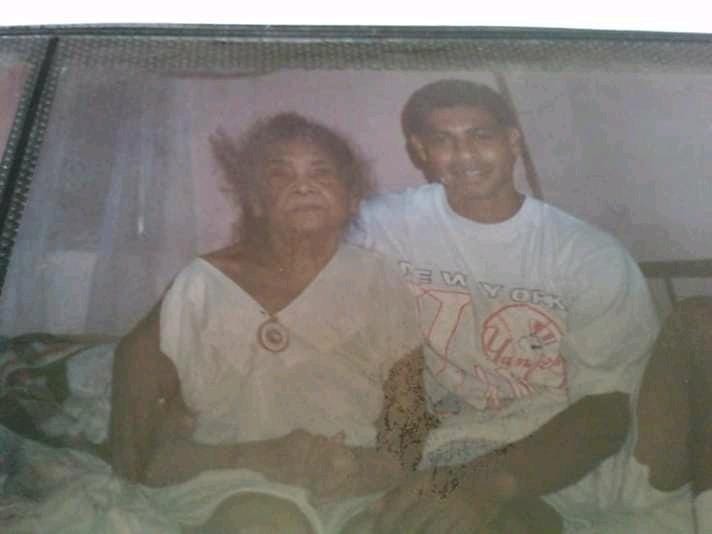
Circling back to Jamaica, in Semester I of 2022/2023, a classmate of mine had the last name Guy. I had never heard of any other Jamaican with that last name before, but I mean it was only right since my grandpa had told me that his parents had come from Jamaica to Belize. I talked to her after class one night and found out that her father was from Guy’s Hill. That was all she knew. She didn’t even seem to know if her father was of East Indian descent. To her, he is just a black Jamaican. I’m not saying to dress up in a saree if you find out that you’re 1/32nd Indian, but there is beauty in knowing where you come from. I think being multiethnic allows for a rich experience. It makes learning about history more exciting and wholesome when you’re able to connect in a deeper way. At least that’s how it is for me, especially because I didn’t get a chance to meet my paternal great grandparents, hearing stories about them and seeing pictures make me feel connected somehow. Who knows how different my way of thinking and doing things would be if I wasn’t fortunate enough to have learned the traditions and stories of my ancestors.
You can check out the Facebook page for Yellow Ginger Festival of Belize to see their initiatives aimed at East Indian cultural preservation.
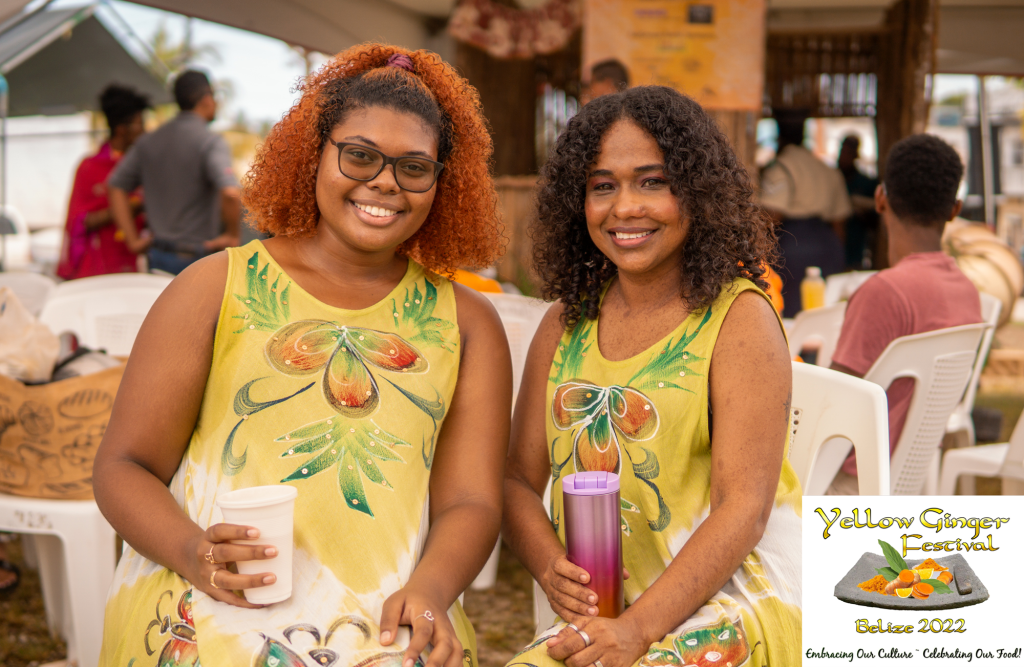
And just because this is the link to my grandaunt’s restaurant that sells traditional East Indian dishes.


 Sylvia Wynter's Dream
Leave a reply to jessiemayers Cancel reply