A screen, cold and electronic, stood as a symbolic barrier between my niece and me. The physical distance was dwarfed by the vast expanse of cultural separation, for she now called the United States of America her home. It’s been two years since she moved there, and already her linguistic cadence mirrors that of American-born children. In our recent conversation, I couldn’t help but remark, “You sound so American,” to which she confidently replied, “I am American.” Is she truly? No, not yet, but will she be? Absolutely.

As I sat there, grappling with the realisation of her American identity, I could hear echoes of my sister conversing in the Jamaican vernacular with our mom. I could also hear my brother-in-law’s subdued Barbadian accent interjecting that conversation with curious questions. In that fleeting moment, I contemplated the linguistic options my niece had. I thought too about the other identities she ignored for the American. In that brief exchange and my subsequent internalisation, I saw the complex tapestry of identity that laid before the young Barbadian who was transplanted to the States at the tender age of four.

Her current residence lies in a state known for its predominant whiteness, yet she has been fortunate enough to navigate inclusive spaces. Her accent now echoes that of an American child, but beneath that surface, she retains a profound understanding of the Jamaican vernacular. Laughter ensues when I employ it, and she recoils when my sister does. It’s the language of retribution from both my sister and me, although, strangely, my occasional use seems to amuse her. Perhaps it’s the rarity that makes it sound peculiar when it escapes my lips.

Before departing Barbados, my niece possessed a well-defined Barbadian accent. However, within a mere four months on American soil, it vanished. My brother-in-law lamented the loss, while my sister remained indifferent, prioritising comprehension over accent. Her primary concern was retaining the core knowledge of Barbados within my niece’s mind—its motto, pledge, flag, folk songs, and the Caribbean essence of beauty. Sadly, two years on, those memories have dissipated from my niece’s consciousness as completely as her accent. Today, she is a repository for all things American, aligning herself so closely with the culture that she speaks of its traditions as if they are her family’s own.
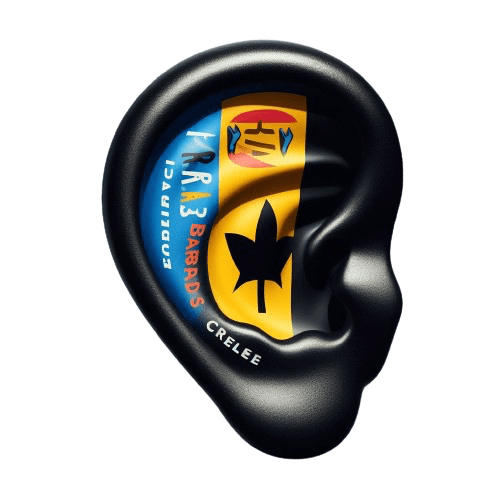
The Caribbean identity, once so vivid, now only surfaces within the walls of her home or when relatives from the Caribbean pay a visit. The Barbadian accent, once a natural part of her linguistic repertoire, has become a distant memory. More heart-wrenching is her inability to comprehend the Barbadian vernacular, a linguistic loss I deem complete. Fortunately, her parents seldom converse in Barbadian creole, sparing her the constant reminder of this loss. Yet, It did hurt my brother-in-law, when he spoke to her in the creole and saw her look back at him confused, mortified and unsure of how to respond. There was a strangeness within the exchange that caused her to freeze and speak only when he sounded familiar again. He told me of this exchange with some pain. But neither he nor my sister spoke the creole often if at all.

For my niece, the language of her birthplace has become foreign, carrying with it a history that remains elusive. To her, it’s a language spoken by another group of people, or the younger version of herself captured in her parents’ video recordings. The intricate, dark history that compelled black people to adopt European languages remains beyond her understanding, buried in the layers of time and cultural transformation. For my niece, speaking English (American English) is all she knows; because what used to be has been forgotten. The home she once occupied, the schools she attended, the culture and folklore she learned, the accent she had, friends she knew and family she visited, all have been exchanged for another: all have been forgotten.
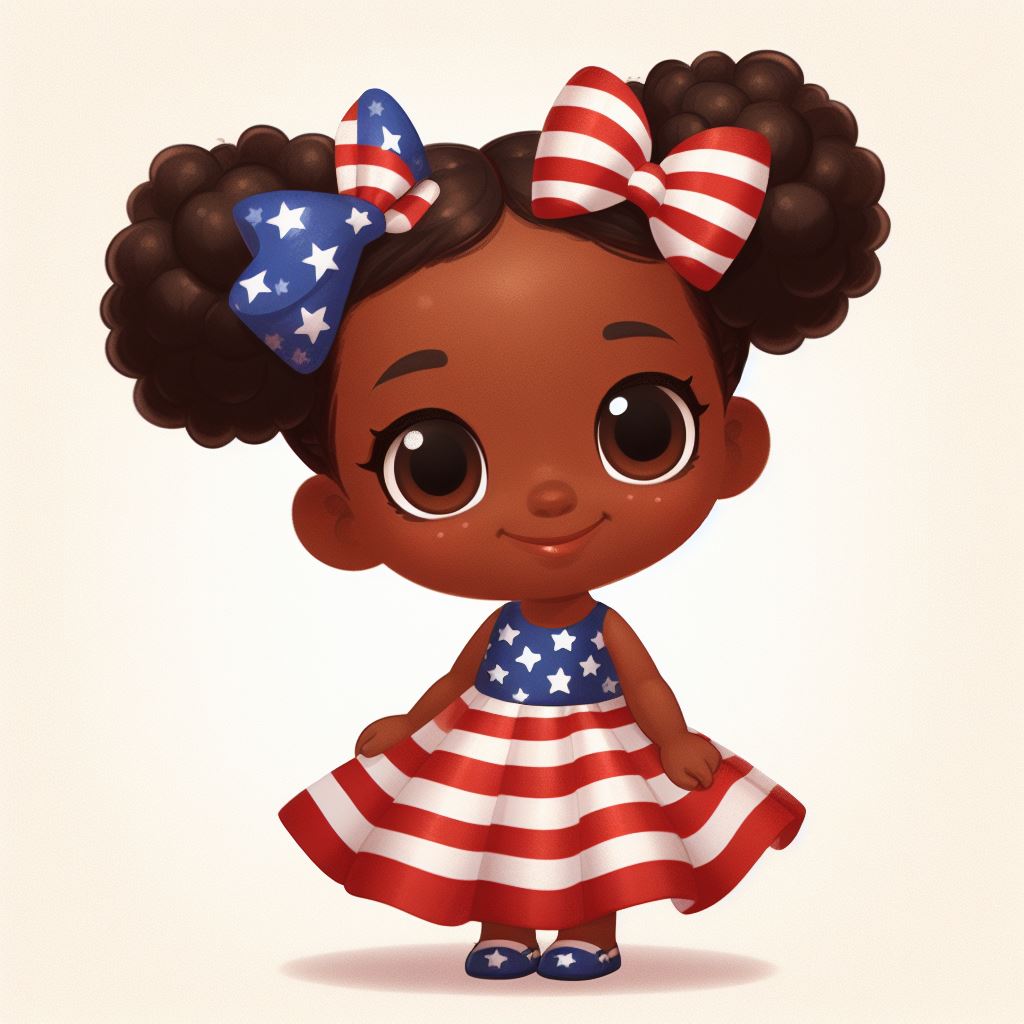
Today the culture my niece knows is American, the friends she has are American, the home she knows is American, the family she visits are American, the memory she retrieves are American. More importantly, the language she speaks is American. At this point, the only link she has to her past-life are her parents, grandparents and the aunts, uncles and cousins still in the region. Her loss is grave, but imperceptible. What is worse, it’s only the beginning of the forgetting process she started, albeit unintentionally, two years ago. But is the linguistic and cultural amnesia my niece embodies a bad thing? It seems to be, but what if it isn’t? Click here to explore the positives of my niece’s amnesia. What has it saved her from?


 Sylvia Wynter's Dream
Leave a reply to blaire_santos Cancel reply