By: Brianna Thomas
Prompt #6
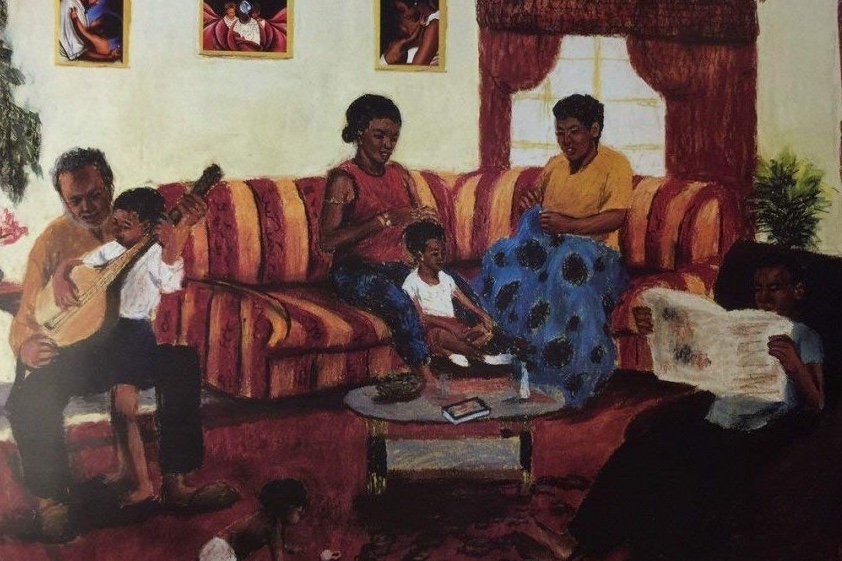
In the heart of our family gatherings, a hushed melancholy lingers—a poignant reminder of a shared amnesia that reverberates through the corridors of our existence. Our roots, entwined with the vibrant hues of the Caribbean, bear witness to a complex dance with history, where memories have slipped through the cracks, leaving us to grapple with the fragments of a story that time has half-forgotten.
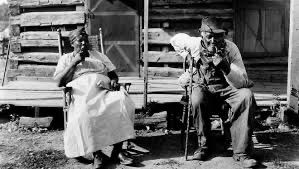
My family, like a tapestry woven with threads of resilience and survival, carries the weight of a collective amnesia that spans generations. The older members, once the keepers of our ancestral tales, find themselves adrift in the sea of fading memories. The stories that once wove through our gatherings have become elusive wisps, slipping through arthritic fingers like grains of sand.
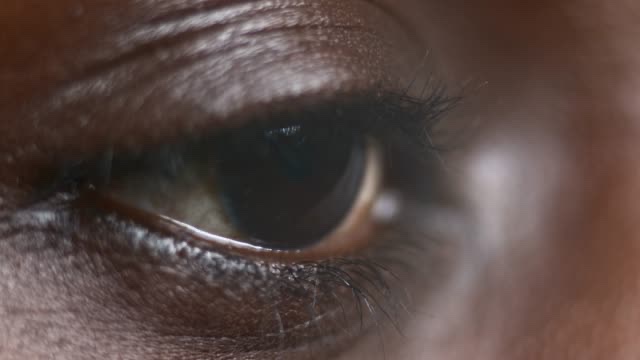
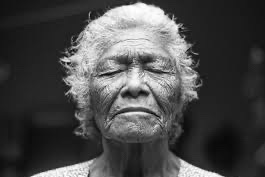
In the eyes of my grandmother, there is a wistful gaze, a silent plea for remembrance. The history that lives within her, etched in the lines on her face, struggles to find a voice. The triumphs and tribulations that molded her youth, the rituals that defined our cultural identity—all have become ethereal, lost in the fog of time.
For my parents, the custodians of our family’s recent past, the challenge is no less formidable. The photos in dusty albums, the fading letters tucked away in forgotten drawers—all are fragments of a narrative slipping away like a dream upon waking. Amnesia, it seems, is an insidious thief, pilfering not only moments but the very essence of our lineage.
Yet, it is within the hearts of my generation that the aftershocks of amnesia are most keenly felt. We stand on the precipice of a legacy that hangs in the balance, a legacy fractured by the gaps in our collective memory. Our understanding of identity is a tapestry missing threads, and the journey to self-discovery feels like navigating a labyrinth of shadows.

In the void left by forgotten memories, we are haunted by a yearning for connection—with our roots, with the stories that shaped us. The family tree, once a proud testament to endurance, now bears branches burdened by the weight of unspoken stories. We are left grappling with a sense of identity that feels like a puzzle with missing pieces.
As we embark on the quest to reconstruct our heritage, the challenges are manifold. The fragments of our past, scattered like pieces of a shattered mirror, reflect a history both beautiful and painful. We are archaeologists of our own stories, piecing together the shards with a mix of curiosity and trepidation. The very act of reconstructing our narrative becomes a journey of self-discovery, a reckoning with the ghosts of amnesia.
The emotional landscape is complex—a terrain of sadness, frustration, and resilience. The sadness stems from the knowledge that significant parts of our family’s history are forever lost, consigned to the abyss of forgotten yesterdays. There is frustration, too, a quiet anger at the injustice of time robbing us of stories that deserve to be heard.
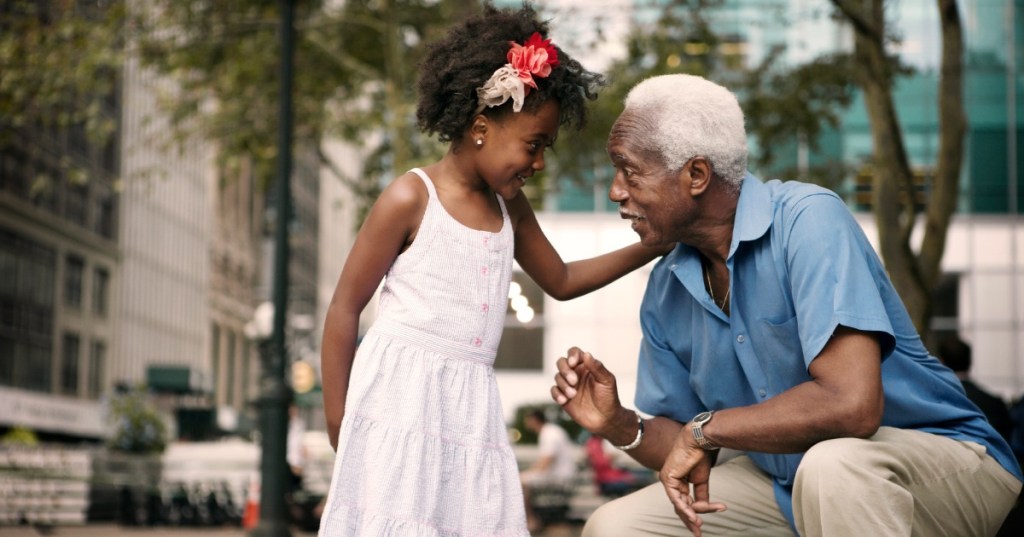
Yet, within the recesses of our hearts, resilience blooms. We become the storytellers, the torchbearers of a legacy threatened by oblivion. The oral tradition, so deeply ingrained in our Caribbean heritage, takes on a renewed significance. We gather around elders who, like ancient sages, share fragments of the past, and we listen with a reverence born of the understanding that these stories are fragile, fleeting, and precious.
In the broader context, the ripple effects of amnesia extend far beyond the confines of our family to the Caribbean and the world. The cultural tapestry of the Caribbean, a mosaic of influences from indigenous peoples, Africans, Europeans, and Asians, is at risk of unraveling as the stories that bind these elements together fade into obscurity.
Amnesia, in this broader sense, becomes a universal theme—a reflection of the fragility of memory and the constant struggle to preserve the lessons of the past. It is a stark reminder that history is not a distant echo but a living force that shapes our present and future. The challenge, then, is not merely to mourn the loss but to actively engage in the preservation of our stories, to guard against the erasure of the narratives that define us.
And so, we find ourselves at the crossroads of remembering and forgetting, grappling with the tenuous threads of identity and heritage. Amnesia may have stolen chapters from our family’s story, but it has also spurred us to become custodians of our own history. As we navigate the aftermath of forgotten memories, we are reminded that our stories, though fragile, are resilient, and in the act of remembering, we find a path to reclaiming what was thought to be lost forever.
In the quiet corners of our family gatherings, where the whispers of the past linger, we become the storytellers, the keepers of the flame that refuses to be extinguished. We weave our own narratives, bridging the gaps left by forgotten memories, and in doing so, we affirm the power of remembrance to shape not only our family’s legacy but the broader tapestry of history itself.

 Sylvia Wynter's Dream
Leave a comment