Having experienced the outside effects of dementia from interacting with some of my relatives, I have been told and now follow the belief that you should give in to the delusions of the person suffering from dementia. I have learnt from my personal contact with relatives suffering from dementia that it is a difficult disease that can cause distress for both the person with dementia and their caregivers. My final project titled “Amnesia’s Granddaughter” will tell personal tales of my struggles with relatives diagnosed with dementia and its effects on them. I will share stories about my grandfather and grandaunt specifically.
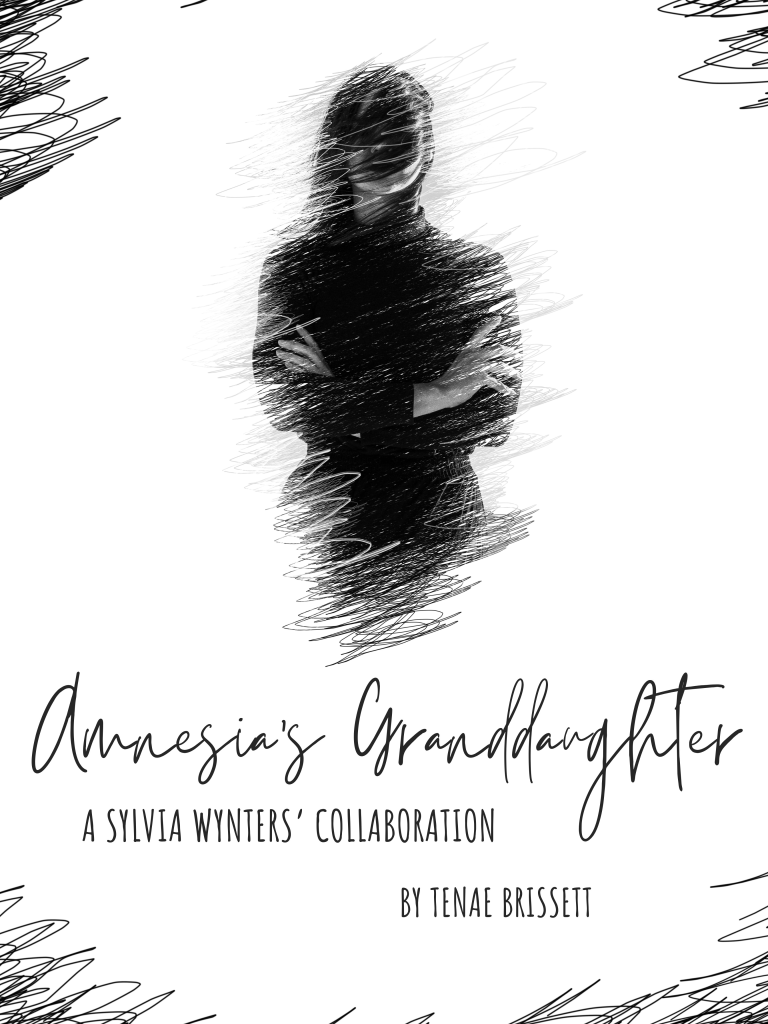
Admittedly, my interactions with my grandaunt were tiresome because of her disconnection to reality. I understand it is not her fault, it is the disease deteriorating her mind but I cannot help but get frustrated at times. I will focus mainly on her for this post as this belief stands out more to me from my memories while assisting in taking care of her.
My mother and I used to frequently visit my grandaunt who had lived in Orlando, Florida along with her son. We shared so many amazing moments – visiting Disneyland, going to SeaWorld, celebrating my birthday. At this time, she was coherent, jovial and in tune with us and her life. We were able to have great laughs and conversations together. Looking back, I wish I had appreciated these times more while they were happening, now that I have lost them indefinitely.
Over the years, she started to become more and more forgetful, irritable and irrational but the straw that broke the camel’s back was when she started cooking dinner one evening in her home and became completely absent – minded which resulted in the food burning, almost causing a fire. If it had not been for my cousin, the house would have burned down with her in it. After this, her son decided that it was time for her to return to Jamaica.
What I find interesting is that my great grandaunt, her mother, also suffered from dementia which makes me wonder if she inherited this gene and makes me fear for her other children, even myself. It is not definite that you would contract dementia or Alzheimer’s just because of your family lineage, however, the gravity of the disease and the number of my family members having dementia increasing each year is a very scary thought to me. Not having control of your mind or your thoughts renders someone almost infantile which puts even more weight on the caregivers who basically have to do everything for them. It was an exhaustive and demanding task for me, especially as a teenager, having to dedicate a good amount of my time and even my mental health to helping her.
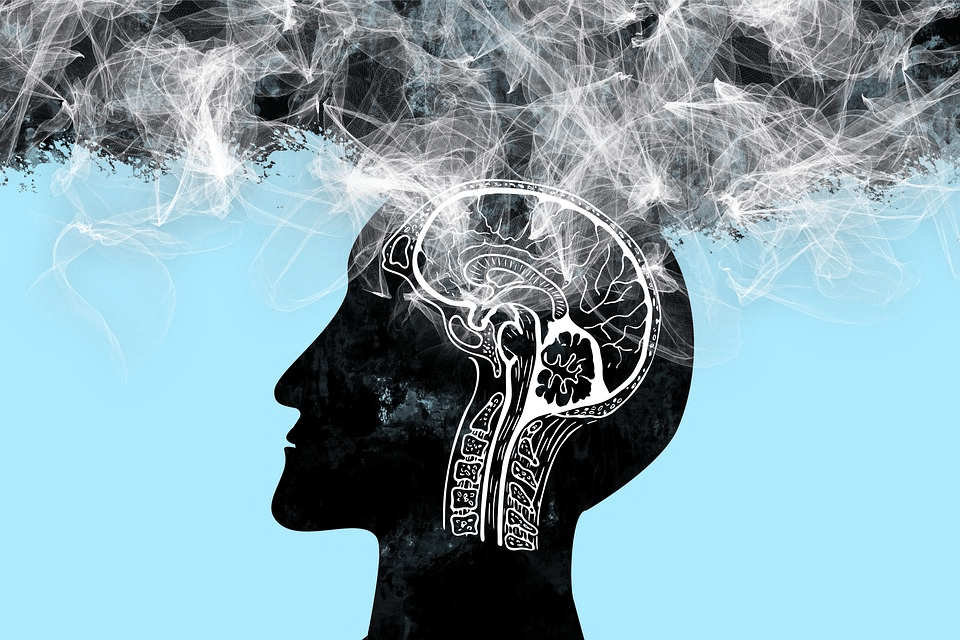
Another one of my grandaunt’s, who works as a nurse overseas, told me that responding to delusions with empathy and compassion is important. Acknowledging the person’s feelings and experiences, even if they do not correspond to reality, can provide them with comfort and emotional support. She also expressed to me that confirming a person’s delusions can actually help to reduce their anxiety and agitation. For example, if a person with dementia believes they are in a particular place or time different from where they are now, it may be a good and effective way to agree with them rather than correct it. From personal experience, I have observed that whenever I try to correct my grandaunt, this usually leads to disappointment and hostility. Many studies have shed light on the experiences of people with dementia and the impact of delusions on their quality of life. Delusions can vary in content, from paranoid beliefs to false identities or even false memories. Understanding the factors that contribute to delusions is essential to developing effective approaches to managing them.
My grandaunt, who I formerly mentioned I used to spend a lot of time with, no longer remembers me. Now that she has been living in Jamaica, she calls me by a different name “Amanda” and thinks that I am a family friend she has from Florida, and not her grandniece. She also believes that her grandniece, “Tenae”, who is me, is still 6 years old. She has forgotten the death of her mother and of other relatives and even believes she is still residing in Orlando. I believe that giving in to her delusions by accepting that I am “Amanda” can bring her comfort and promote a better relationship between the two of us.
My mother, however, who was the key caregiver in our family for my grandaunt, believed that constant reinforcement and countering delusions through gentle, compassionate communication could have helped my grandaunt maintain a sense of reality and maybe reduce her suffering over time. Correcting her delusions also helped to avoid situations where my grandaunt’s personal safety could have been in danger.

Additionally, I found some information/research which suggests that certain interventions, such as reality-oriented therapy and cognitive stimulation, may be beneficial in reducing delusions and improving cognitive function. awake. These approaches aim to provide individuals with structured and meaningful activities, while gently helping them distinguish between reality and illusion. My mother practiced correcting delusions sensitively, as she was told by my grandaunt’s doctor after a doctor’s visit, who offered advice on how to manage delusions and other challenging behaviors associated with dementia. He told my mother that my grandaunt’s cognitive function would be improved. Ultimately, from some research I did, the question of whether to “give in” to the delusions of a person with dementia is a complex and sensitive issue and there is no single answer. Addressing the needs of persons with dementia requires empathy, person-centered care and a detailed grasp of the underlying neurological processes. While succumbing to delusions may temporarily ease discomfort and lessen suffering, it’s important to weigh this course of action against any potential ethical repercussions. An individualized approach that respects autonomy, protects dignity and considers each individual’s unique needs is needed to address this delicate issue.



 Sylvia Wynter's Dream
Leave a reply to Antoneisha Cancel reply