by Blaire Santos | 22nd September, 2023 | Multimodal Post

I am Blaire Santos, the Chimole Woman. I have a healthy obsession with Belizean food, and an unhealthy obsession with naps induced by said food. Between naps, I love reading, writing, cooking, and creating mafia role-playing games for online forum communities.
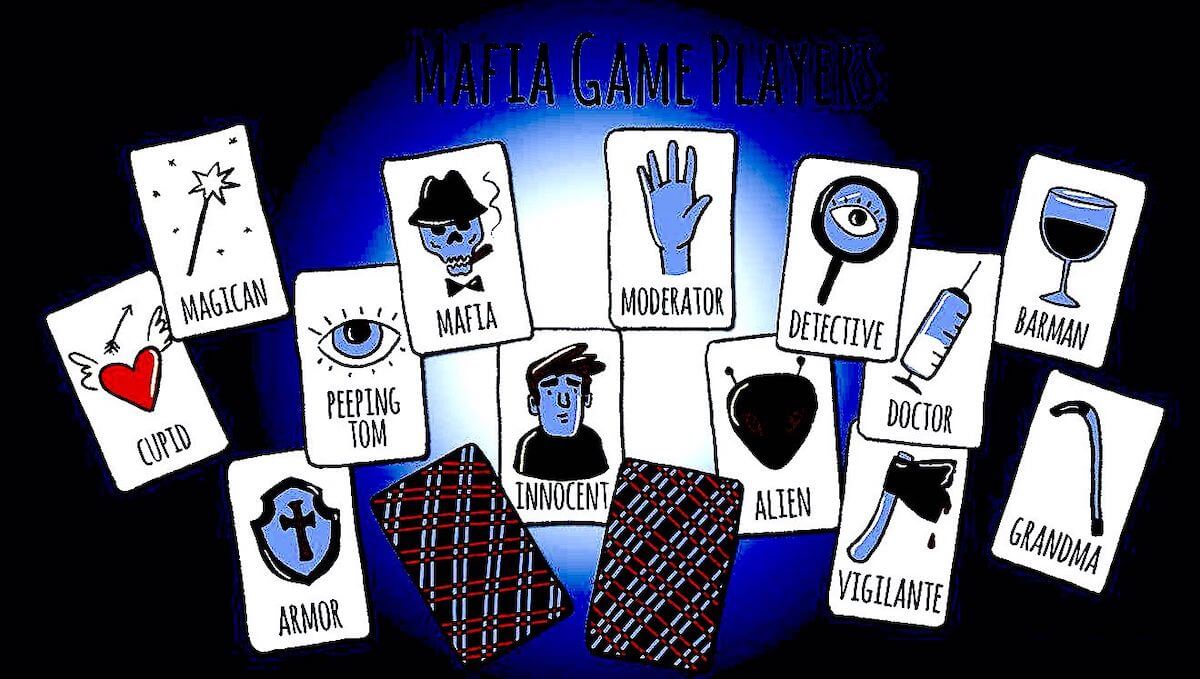

Since 2012, I have worked in property management, trademark registrations and dabbled in restaurant ownership. I went back to school in 2021. Currently, I’m living my dream, studying Literatures in English with a minor in Creative Writing at the University of the West Indies (UWI), Mona Campus. I have begun my third, and what I hope will be my final year at the bachelor’s level of UWI, and I was just re-elected as the president of the UWI Mona Writer’s Circle.
I enrolled in Creative Nonfiction Writing and Digital Media (LITS3604) for my minor and because I am technologically challenged and would love not to be. But more importantly, I signed up for LITS3604 because Edwidge Danticat said to.
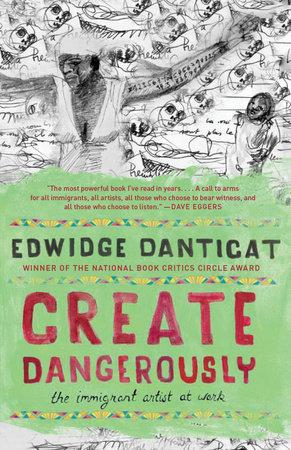

No, Danticat herself did not tell me to register. However, this non-fiction amalgamation of heartbreak and loss of home challenged me to use creative writing beyond the scope of poetry, prose and drama. I want to write like her one day. I want to make people cry, but instead of putting the book down, I want their eyes to be obsessed with each new painful word. I hope this course will help me to develop that synergy of language and experiences.
I feel very privileged to be able to partake in this space and contribute towards AMNESIA: The Things We Forget about Ourselves. Tentatively, my project will focus on the things I don’t want to forget and some things I wish I could, an exploration of memories and trauma related to a broader Belizean context.
Speaking of amnesia, I forgot to explain why the title of this post is “Ask Not What You Can Do for DH, but What DH Can Do for You.” Watch this summary of Kelly Baker Josephs’ “DH Moments, Caribbean Considerations: On Reaction, Response, and Relevance in the Digital Humanities” to find out.
Transcript:
Josephs initially wrote “DH Moments, Caribbean Considerations: On Reaction, Response, and Relevance in the Digital Humanities” for New York City Digital Humanities Week, 2018. The essay acknowledges how Digital Humanities (DH) can radicalise activism to address current political concerns. For instance, Josephs mentions how several digital initiatives created immediate Humanitarian effects “in the moment” (para. 1). Two such initiatives were #PRMapathon in the aftermath of Hurrican Maria, which aided relief efforts in Puerto Rico, and the #TornApart/#Separados data mapping, which visualised the extensiveness of the U.S.’s immigrant detention centres in direct antithesis to the nation’s “Zero Tolerance Policy” towards asylum seekers. However, moving away from asking what the scholarship and pedagogy of DH are, Josephs asks instead how DH benefits others, emphasising the need for scholars and researchers to embrace their positions as humanists on public platforms to incite positive social change. Josephs underscores that DH is not only for “the moment” because the “lightning-fast-results form of activism” (para. 9) cannot address or redress certain humanitarian issues.
As someone rooted in Caribbean Studies, Josephs highlights Live Hope Love (livehopelove.com), a Webby award-winning, interactive web project on HIV/AIDS in Jamaica created by the Ghanian-Jamaican poet Kwame Dawes in collaboration with the Pulitzer Center on Crisis Reporting, as an example of DH activism. The project fused traditional and digital research components to engage with Jamaican communities afflicted by HIV/AIDS. Furthermore, the project’s accessibility also helped those within and outside Jamaica to access the Pulitzer Centre’s ever-evolving resources. Additionally, due to Live Hope Love’s involvement of those directly affected by the disease, Joseph stresses Dawes’ ethical representation of these Jamaican voices as an ideal example of how to speak on behalf of marginalised Caribbean communities.
As Joseph points out, “… those of us in Caribbean studies, in black studies, in women’s studies, who intersect with the digital humanities, have always already been invested in making our digital work relevant and responsive to the communities we work within” (para. 9). How academia relates to the people it studies, applied humanities, is the basis of these disciplines; thus, Joseph urges digital humanists to redefine the field of DH to include not only scholarship and pedagogy, but also activism. Citing Amy Earhart’s “Can Information Be Unfettered? Race and the New Digital Humanities Canon” (2012), Josephs reiterates that DH should use the “space of the Internet [to] allow those who [have] been silenced to have a voice” (para. 13), thereby bridging the gap between theory and practice.
Following this further, Josephs recognises how critical it is to encourage academic audiences to partake in DH initiatives like the digital preservation of “endangered ecclesiastical and secular documents related to Africans and Afro-descended peoples in the Americas” (Sutton qtd. in Josephs para. 14) conducted by the Slave Societies Digital Archive (https://www.slavesocieties.info/), which has promoted positive social change by expanding scholarly knowledge. Josephs also discusses the work of Ruddy Roye, a photographer and Instagram activist who earned recognition for posting gritty images with lengthy captions, adding depth and context to his photos. This approach was considered a form of “digital alchemy” by Moya Bailey, where digital media, particularly by people of colour like Roye, is transformed into powerful content that challenges dominant narratives.
Nevertheless, Josephs subverts the notion of self-sacrifice that the marginalised often hear. For the cause of DH, “We — academics, humanists, Caribbeanists — have to make information and tools available to others in our discipline so that the discipline may itself survive to serve our students and, perhaps by extension, the larger public” (para. 19). Josephs does not ask what we can do for DH, but what DH can do for us as Caribbean peoples. Ultimately, the essay encourages DH scholars to “revisit the question of ‘what is the digital humanities’” (para. 26); to define their work regarding its audience and communities, engaging ethically with these groups and serving their information and tool needs while generating positive social change.


 Sylvia Wynter's Dream
Leave a reply to Ki Thompson Cancel reply