
Multimodal Post | Assignment 1 | September 18, 2023

Hello, my name is Antoneisha Dunn. I am an education student at the University of the West Indies Mona. Currently, I’m enrolled in the ‘Creative Nonfiction Writing and Digital Media’ course. And like any student, I have certain expectations for it. Specifically, I’m looking forward to learning how one effectively navigates the digital age while an academic, as well as how one might go about enhancing their digital assets so they align with the values associated with the digital humanities.
Now, in this, my first submission to the course I want to consider the work of Amy Earhart and the thoughts she shared on whether or not information can be unfettered in the new “Digital Humanities Canon.”
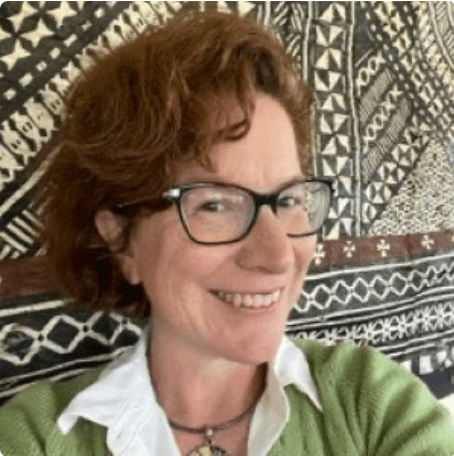
According to Earhart, the Internet was celebrated as a platform for democratising knowledge, and enabling the publication of lost or marginalised texts. However, a review of digital humanities, particularly digital texts, reveals that the hopes for democratisation and inclusivity in the digital canon have not been fully realised.
Source: https://dhrace.net/earhart/
Consequently, she has emphasised the importance of representing the many groups that form a part of the world’s cultures. And implores that there ceases to be an exclusion of the “crucial work by women, people of colour, and the GLBTQ community”. 1
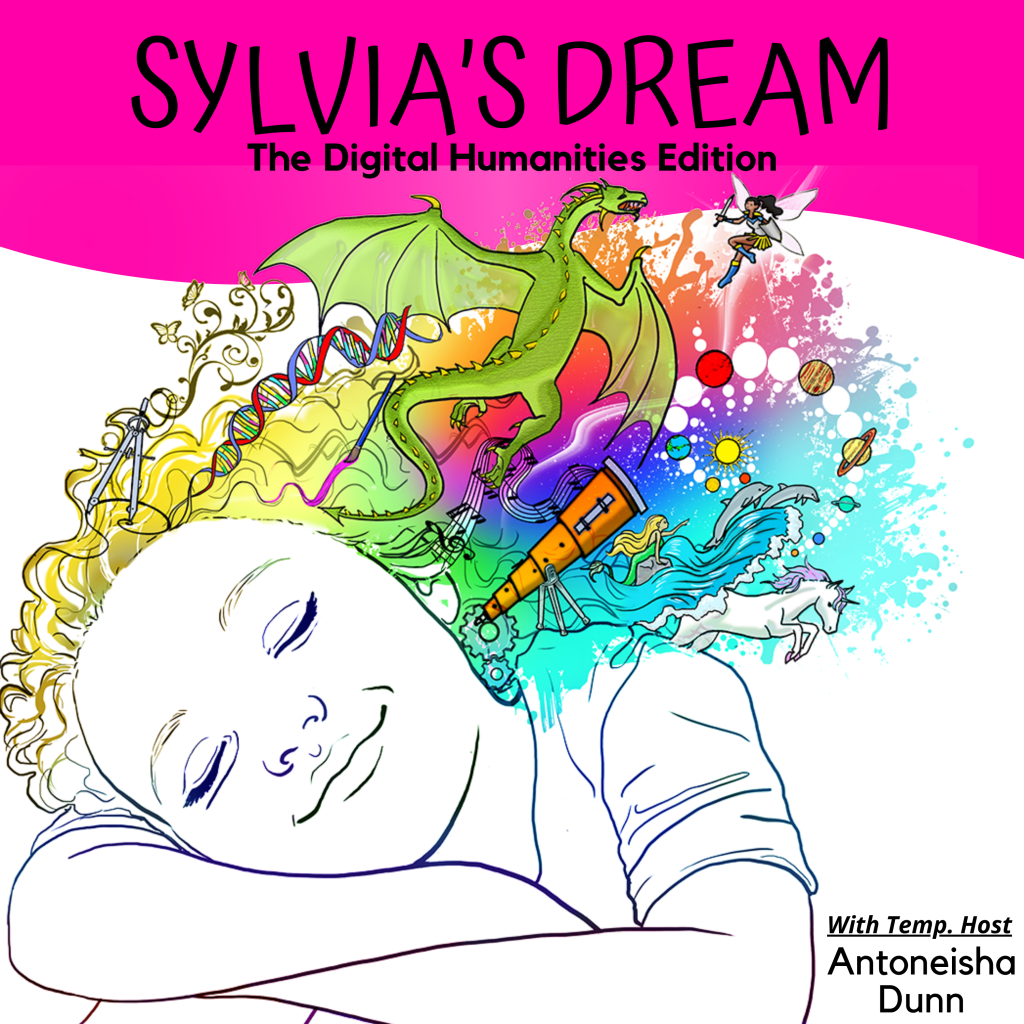
In this episode of Sylvia’s Dream, I recap the shortcomings Earhart and two other scholars observed about the Digital Humanities discipline. I hope you’ll enjoy it. You are welcome to add your comments on their work below.
Would you rather to read the transcript of the podcast? Tap here, if yes.
- Gold, M. K. (2012). Debates in the Digital Humanities. University of Minnesota Press. https://doi.org/10.5749/9781452963754
↩︎


 Sylvia Wynter's Dream
Leave a reply to Antoneisha Cancel reply