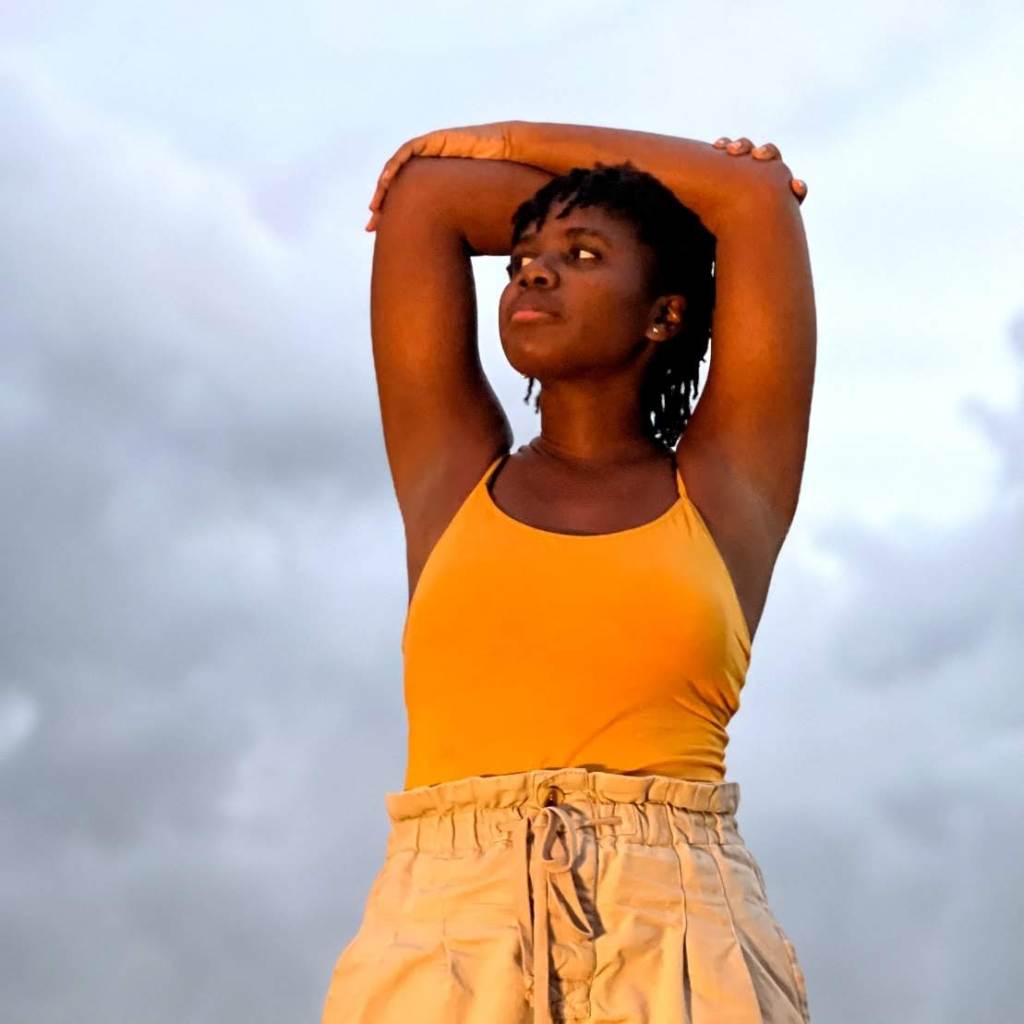
Hello readers. My Name is Natalia Downer, a final year student at the University of the West Indies Mona, pursuing a degree in Writing, Literature and Publishing. I am taking the course LITS3604 in order to deepen my appreciation for the cohesiveness of individual minds, as well as to strengthen my own voice, gaining enough confidence in my original thoughts, expressions, and experiences to share with other like-minded individuals in order to create powerful thought-provoking conversations around the globe. I am excited to be able to collaborate with my fellow peers on a topic surrounding an issue that I have been very passionate about. I also hope that, by taking this course, I will be better equipped to collaborate with the people of my generation to share ideas that are important to me, to them, and, essentially, to the world! Reading the article “Can Information Be Unfettered? Race and the New Digital Humanities Canon” has inspired me to want to make use of my digital access, in the form of a vlog, to speak about my personal issues with the limitations that have been put onto my, and other young Jamaicans ‘foreign’ voices.
The Ponderings & Perspectives of a Moldable Mind
By Natalia Downer
Engage with the Q&A segment below:
Question:
What do you think is the overarching message of the article “Can Information Be Unfettered? Race and the New Digital Humanities Canon” by Amy E. Earhart?
Response:
Question:
Was there a specific line or quote from the article that immediately stood out to you?
Response:
Question:
Can you tie the knowledge that you gained from this article to your understanding of the purpose of LITS3604 – Creative Nonfiction and Digital Media?
Response:
Question:
Do you have any concluding thoughts?
Response:
Thank you for taking the time to explore my thoughts.
Works Cited:
Earhart, Amy E. “Can Information Be Unfettered?: Race and the New Digital Humanities Canon.” Debates in the Digital Humanities, edited by Matthew K. Gold, University of Minnesota Press, 2012, pp. 309–32. https://dhdebates.gc.cuny.edu/read/untitled-88c11800-9446-469b-a3be-3fdb36bfbd1e/section/cf0af04d-73e3-4738-98d9-74c1ae3534e5.


 Sylvia Wynter's Dream
Leave a comment