The Voices of Disabled People in Jamaica have been further pushed into the shadows for quite some time. As Jamaican people we are all familiar with institutions such as Mustard Seed, Food for the Poor and the Jamaica Council for Persons with Disabilities etc. These organizations have aided disabled and less fortunate people over the years. Those said organizations often advocate for disabled people and children mostly through seeking donations daily from the public and also through social media platforms such as Facebook, Instagram and twitter.
I have heard of stereotypes, myths and overall assumptions about special need persons and I feel that these organizations have not spent enough time addressing these assumptions. The institution named STEP center located on hope road is an excellent institution for children between the ages of 5-18. Upon visiting there myself teachers the classrooms and waiting area has posters on the walls educating visitors and parents about different disabilities, interacting with those who are special needs and stereotypes/assumptions that are far-fetched.
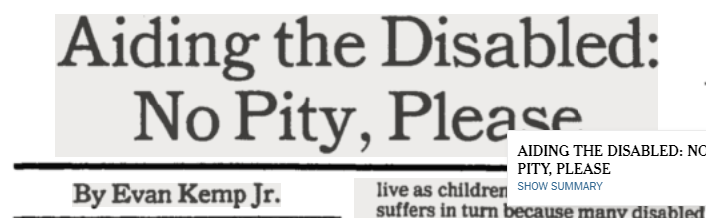
Click to READ article
The following story written by Evan Kemp Jr is an article about an advocate for disabled rights of physical and mentally disabled people who is aware and has grown tired of the perception of disabled people living in the United States.(Evan Kemp Jr is the executive director of the Disability rights center who has had a neuromuscular disease). Stereotypes of special needs persons being childlike, helpless, hopeless, non functioning and non contributing to society has angered millions of persons in the disabled community. ( Kemp, 1981). In addition similar to organizations in Jamaica such as Mustard Seed, pity funding for disabled people is a tactic that is common with said organizations that create these perceptions/stereotypes of special needs/disabled people. In the article, the writer expresses how a television program reinforces a stigma against disabled people. It can be acknowledged that children are often used in ads or posters to ask for funding as their innocence compels viewers to donate to their organization.
The article states that prejudices create stereotypes that offend disabled people self-respect, harm their efforts to live independent lives and segregates them from main stream society ( Kemp, 1981). The same can be said about disabled people in Jamaican society as some persons may feel offended and discouraged as their efforts and work are overshadowed by their disability. These stereotypes can silently anger the disabled community.
Lastly the article discusses how the television program emphasizes the desperate helplessness of the most severely disabled and how this has reinforced the public tendency to equate handicap with total helplessness. The same occurs in Jamaican society, where persons who are severely disabled are portrayed as helpless and even non- functionable in society which is far from the truth.

The role of the Jamaica Council for Persons with Disabilities is to provide a variety if services to protect the rights of persons with disabilities and promote their independence and inclusion in every aspect of national life. This institution provides assessment and training, public education and awareness, access to financial support etc.
However it is still questionable what children with disabilities really want. Most institutions insist that money and food is the only thing a disable/special needs person might want. However, there is more beyond the surface of materialistic things. The major question is are persons being loved or do they feel loved in these organizations. With that said, are the voices of disabled people really being heard or is it the voices or hidden motives of these organizations that create the voices of disable children.

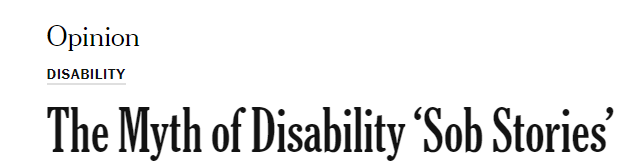
Read this article about people with disabilities.
Furthermore, are the Voices of Disabled People really their voices or someone else’s?
Sources

 Sylvia Wynter's Dream
Leave a reply to King Dom Cancel reply