A digital anthology of forgotten Caribbean traditional medicine, as seen through the eyes of the younger generation.
Re-engaging with Caribbean traditional medicine means re-connecting with Caribbean cultural history and with the stories of those before us. I want to take you on this marvelous journey with me, starting with a poem read by a Jamaican mother.
The Hovering Hands (with audio)
Melisande Nevers
A tale as old as time:
A hand and a healer hover by the hot stove.
Leaves bubble and boil in the pot;
Their love bubbles with it, and the healing nature of humanity is held in a teacup.
A tale as old as time,
The hand, the healer, and the bubbling love in the pot vanish into thin air,
Like aromatic steam that arose from that teacup.
Forgetting this story is forgetting the healers,
And forgetting the hands means we’ve forgotten the love.
A brutal cycle occurs with each passing generation; a new wave of creative ideas and thoughts emerge in a culture, and at the same time this is followed by the death of older ideas. It happens seamlessly, it’s hard to pinpoint when the forgetting happens… but by the time you remember not to forget, it’s forgotten.It’s like a word on the tip of your tongue that you can’t quite get out, you know what I’m talking about right? Then you forget you even had to say it at all.
This cycle affects every facet of Caribbean culture, whether it be art, science, entertainment, etc. It’s like a con artist, showing you something new and exciting to your face, but robbing the youth of their history, their connections to the past, the stories of their elders, and disjointing them from previous generations. It results in feelings of loss and disconnectedness in those that do remember, forcing them to feel ‘different’ or ‘alternative’ for participating in cultural practices that have been around for centuries and tie them to their roots. Cultural amnesia attacks those that are weakest, the ones prone to forgetting because they’ve been displaced culturally.
To that I say: Don’t forget, keep the culture alive, speak to your elders and community members, and engage your curiosity about your own cultural history. Never forget the stories of the past.
People talk about ‘Bush Medicine’ as if it’s something to laugh about because of its ‘obscurity’. As if it’s outlandish to look to nature to find remedies and healing. As if several generations of people didn’t use ‘Bush Medicine’ to keep themselves and their families alive. As if them using ‘Bush Medicine’ didn’t indirectly keep us alive too.
Not too sure about what I mean by ‘Bush Medicine‘? Well, I think if you watch this little video at least a few ideas will pop into your head. I hope it brings forward some of your own memories with bush medicine.
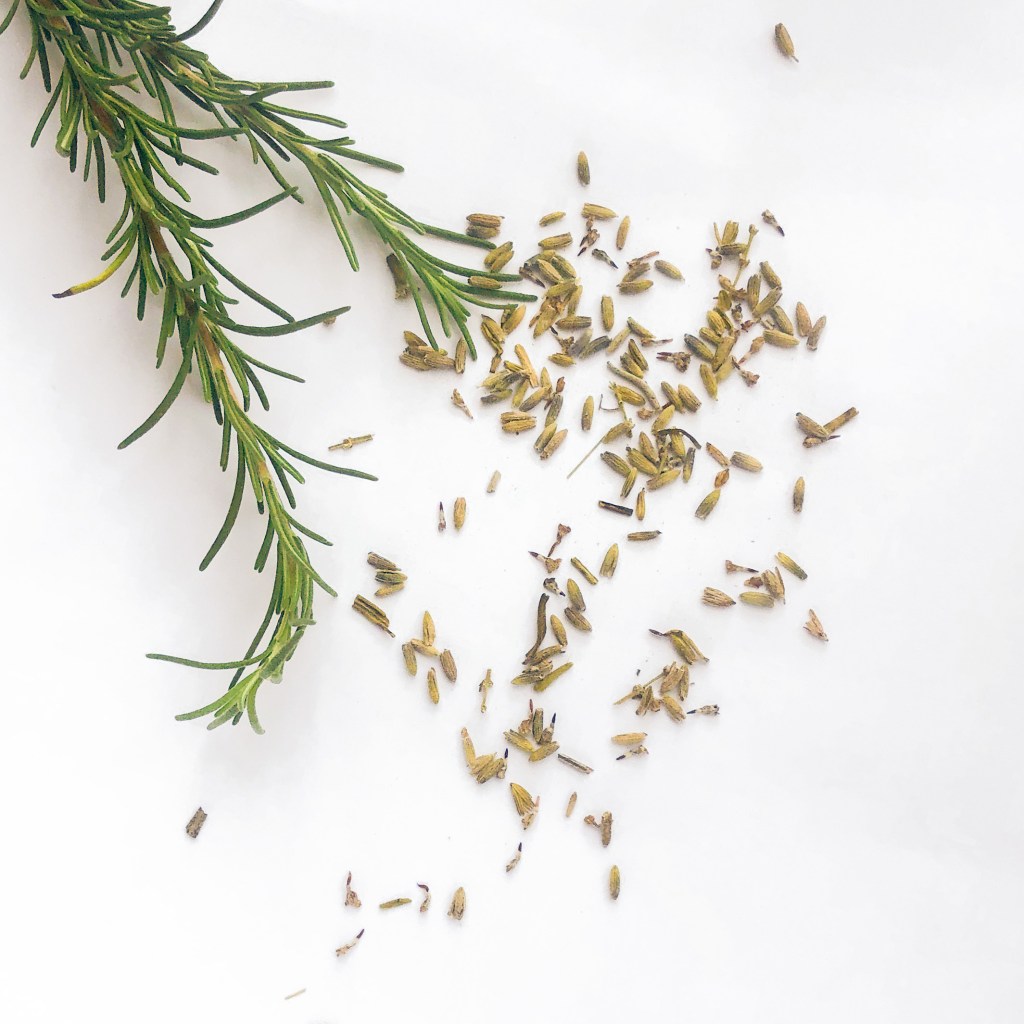
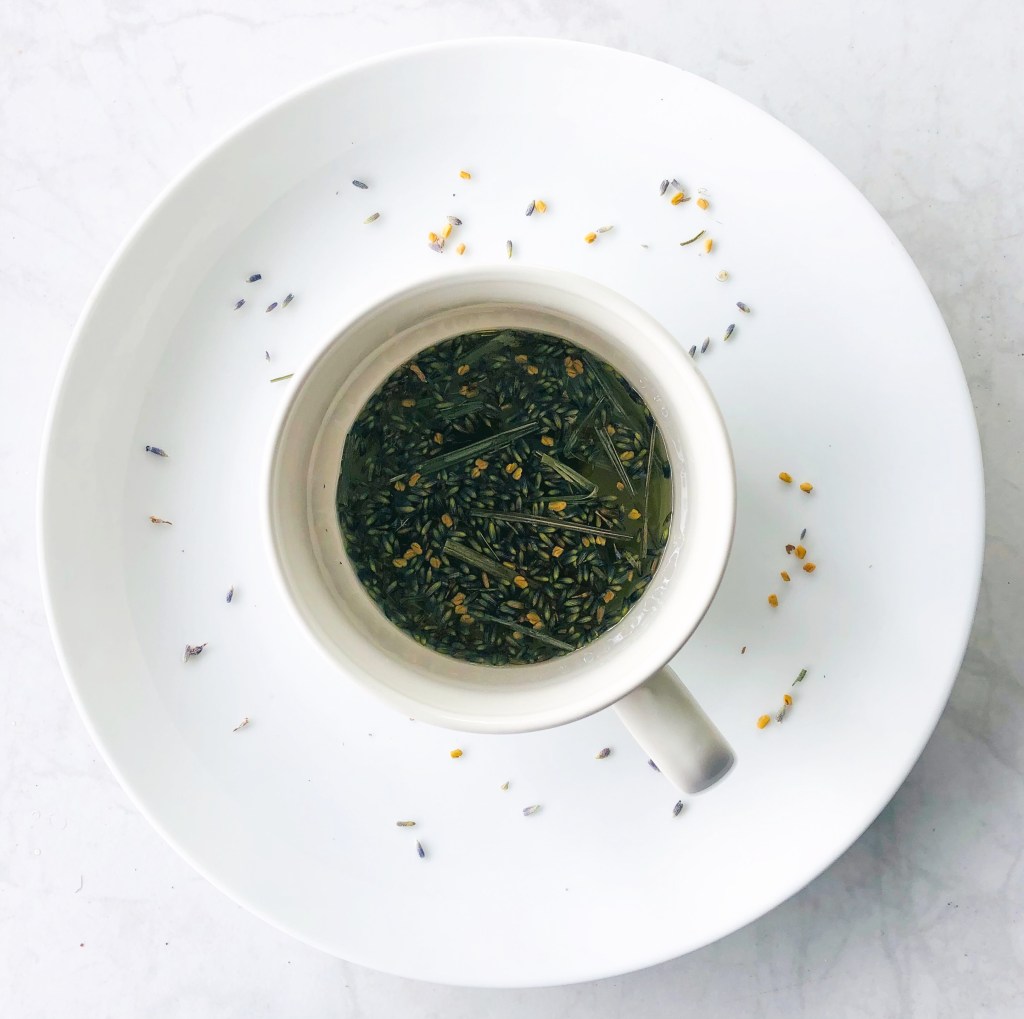
Think of this, when was the last time you drank tea because you felt uneasy? With each sip of ‘uneasy’ tea, imagine yourself as an ancestor discovering how well ginger tea worked for their own unease. The future is a reflection of the past, and today’s modern medicine was borne from bush. Modern medicine finds its roots in the most human experience: curiosity. Human desire to learn more about nature resulted in several medicines that are now used in a clinical space: morphine, scopolamine, digoxin, etc.
Medicine doesn’t have to sound as fancy as scopolamine, and it doesn’t have to be as intense in its activity as morphine; sometimes, medicine is the gentle lowering of the body temperature to reduce a high fever, the way that plants such as fevergrass do. The simple act of drinking tea to help us find relief ties our culture to the culture of Asian immigrants to the Caribbean, and is actually a remnant of the hot/cold dichotomy that is no longer prominent in Western medicine, but remains persistent in rural Caribbean communities that keep their culture alive.
So, let’s talk more about all that tea drinking that Caribbean people love to do. Let’s get into Ethno-Medicine in countries like Trinidad and Tobago as an example of how traditional medicine tells a story, and how forgetting it almost feels like forgetting a piece of cultural history.


In Trinidad and Tobago, where the culture is strongly influenced by Asian culture based on immigration patterns, the bush medicine that prevails is based on a theory known as the ‘hot and cold valence theory’. This theory focuses on the body’s system as being either hot or cold, essentially a dichotomy for being sick or well. Traditionally, certain activities, foods, drinks, medicines etc. can be classified as hot or cold in ethnomedicinal systems; and this follows the traditional belief that heat has the ability to open the body and facilitate the blood’s free flow, whereas cold causes the blood to stop flowing and clog the arteries, veins or the womb.
Rural populations in Trinidad actively still engage with ethno-medicine as taught by their elders and a large remnant of the concepts associated with ethno-medicine persists. But in more urban communities, they have more access to modern medicine, and the ease of access has resulted in a significant decrease in how many people are willing to look to nature first for remedies.
This is how these remedies are forgotten, they fade into the background as the backup plans to the backup plans to the backup plans.
But some remedies aren’t all gone! Some teas that we drink are still considered bush medicine when you really think of it! It isn’t all complicated and complex concoctions and potions, sometimes its simply choosing the right herb to ease your ailments.
Take a journey with me…
LEMONGRASS or FEVERGRASS

- According to the Sri Lankan Department of Export Agriculture, lemongrass oil comes from the Philippines in the 17th Century and the plant was introduced to Jamaica in 1799!
So Cymbopogon citratus, commonly known as ‘lemongrass’ or ‘fevergrass’ is a pretty popular remedy that has its roots in Asian culture, a remedy that travelled all the way from across the ocean to the Caribbean, where it has become a standard tea remedy in most Caribbean countries. It’s in the name- fevergrass. We get the leaves from someone’s backyard, steam it on the stove in a pot for a few minutes, and then drink it with some honey to soothe us. It’s characteristically yellow, and has a citrusy smell that everyone can recognize. The cultural belief is that it helps reduce fevers by taking advantage of this hot/cold system. And this same hot/cold theory I keep mentioning applies to most other teas Caribbean folk like to sip on, such as cerasee and ginger tea, and other popular teas in Caribbean culture.
_________________________________________________________________________________________________
ALOE VERA or SINKLE BIBLE
Ok so this one we should be pretty familiar with. I think even globally, Aloe barbadensis is a very common remedy for burns and rashes and also for ‘cleansing’ the system, another common feature of the hot/cold system that made its way into the Caribbean culture.The ‘cleansing’ ability of plants in nature is another significant feature of traditional medicine in the Caribbean. Think about the whole “coconut water wash off yuh heart” (English: “Coconut water washes your heart”) belief that you hear a lot in rural Jamaicans. It’s the same idea, and this is one of the many remedies that ‘cleanses’. Need a recipe for aloe juice? I got you! Recently, the cleansing medicinal feature of plant has taken a back seat to more recent discoveries among the youth: it can make their skin smooth and their hair soft. This is no jab to us though, aloe vera does a lot of amazing things, but I challenge you to blend some aloe vera into your smoothies and drinks the next time you cut a piece for your hair! You may find out that it helps an ailment of yours; this is how it was used before.
When you use it next, think of how this being the same way ancestors from Africa also used it, and how the preence of the plant in the Caribbean is a story in and of itself, the journey it made to even get to be so widespread in the west! Aloe Vera was completely unknown in the Caribbean until it was introduced to Aruba in the mid-19th century when numerous trade vessels from Africa visited colonial Caribbean islands! It’s come a very long way to heal Caribbean people, look into some recipes to see how you can reap those benefits too.
__________________________________________________________________________
LEAF OF LIFE
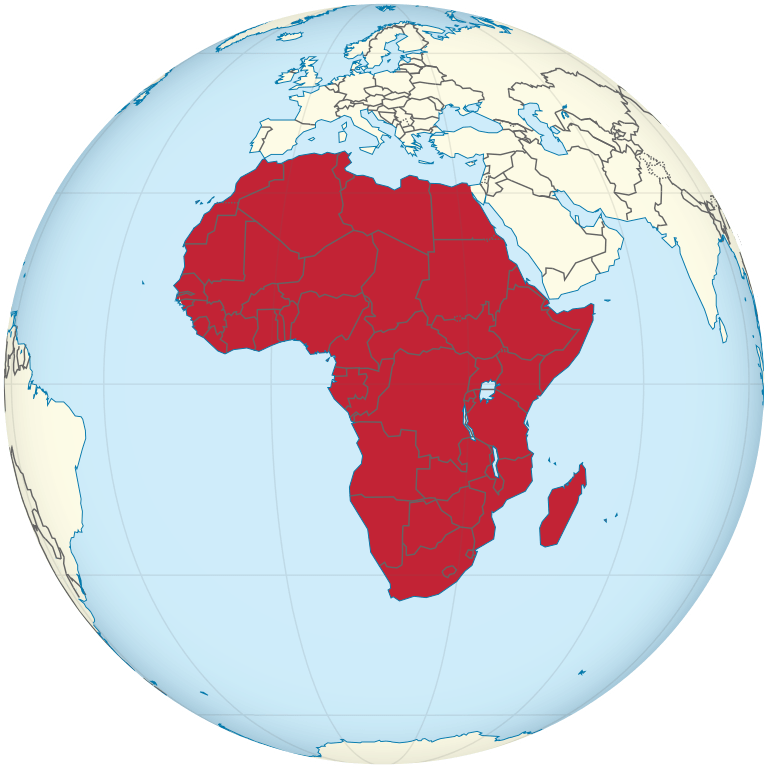
This special plant is one that has definitely taken a backseat in younger generations, but is HEAVILY used in rural communities as one of the best remedies for colds, coguhs, flu symptoms, rashes, heartburn, etc. It’s a plant that is used for ANYTHING and EVERYTHING and I personally have my own stories with this plant. It originates from Madagascar, and now grows abundantly in Jamaica and other islands. Even the name highlights just how high in regard it is held. Over the years, there has been a re-discovery of plants like this that have medicinal benefits, and this seems like an attempt from the youth to reconnect with their culture and the older generation. It’s a step in the right direction, researching and writing articles such as this to encourage other people to look into these things themselves. Getting people to remember what their grandparents were using to feel well in times before there was easy access to modern medicine, can strengthen the appreciation for the wit, intelligence, and inventiveness of Caribbean people!
__________________________________________________________________________
CENTIPEDE TINCTURE or ‘FORTY LEG IN WHITE RUM’
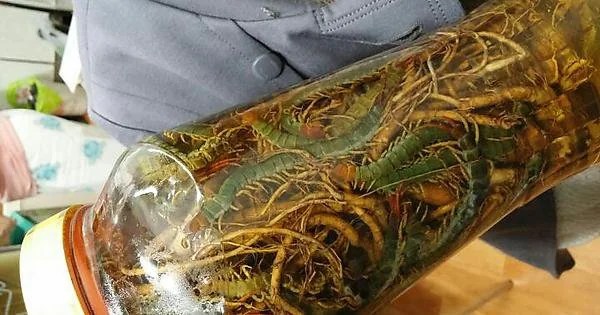

Fun fact: The average centipede has one hundred legs. BUT, there’s a particular species of centipede found most commonly in Jamaica, and that one only has FORTY! This is where the universal term ‘forty-leg’ that Jamaicans use for all centipedes comes from. I thought we just couldn’t count!!
In Caribbean traditional medicine, this remedy on its own has almost completely disappeared in our culture. By disappear I mean: hard to find any information on recipes and uses and anecdotes about this on the internet, either through actual research or talking to people. Not that I know everyone in the Caribbean, but it was jarring to mention this remedy to several people and having them go “WHAT?!” as if it was their first time hearing it. And then to learn that, yes, it actually was!
My first time hearing it was when I overheard a conversation between my grandfather and his church brother when we were visiting their childhood home in Dromilly, Trelawny.
“Mi seh if yuh look back dere it still inna di draw from when! Mi nuh know how long it deh deh, but if yuh want it yuh can tek it.” (English: I said, if you look back there it’s still been in the drawer! I don’t know how long it’s been there, but take it if you want it.) my granddather said between chuckles to his friend. They both laughed with amusement, and I followed them both into the side room where they both retrieved the jar with a huge red-brown centipede curled up inside.
Seven year old me was TERRIFIED, but the interest in what that jar was lingered for years and years until I finally asked him and my grandma about it.
“Anuh really fi any likkle ting. But see if yuh have somn, like one bite yuh, yuh just tek it rub pon it. Or seh like… yuh sick sick sick and cya get rid a it. You just tek a likkle and drink. Mi wouldn’t give yuh dat doe, yuh nuh need dat.” (English: It’s not really just for any little thing. But see, if you have something, like one bites you, you take it [tincture] and rub on it. Or, if you’re very sick and can’t shake it. You take a little and drink it. I wouldn’t give you that though, you don’t need that.)
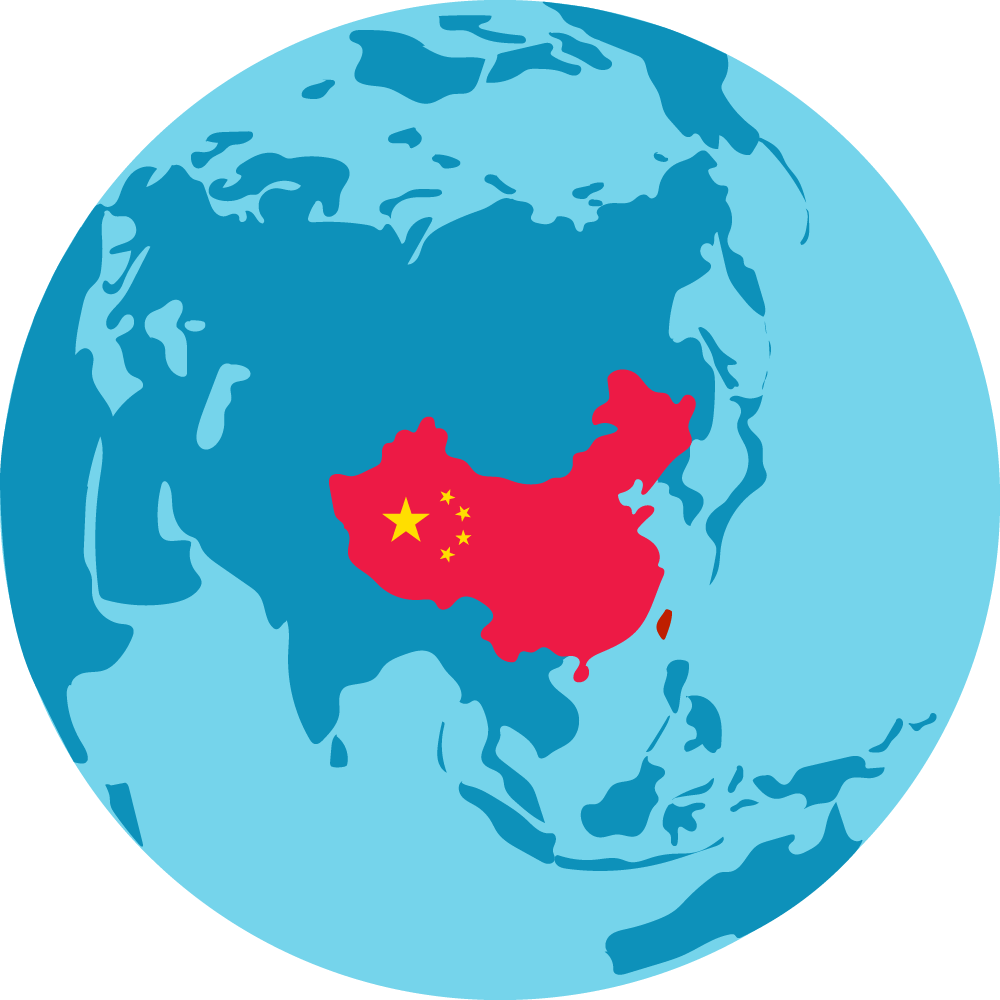
To be completely fair, this remedy for ailments such as chronic pain and cancer is still one that is looked at with confusion and disgust, this is a sentiment shared in Caribbean culture and the Asian cultures in which it is prominent. But it is still relatively popular and highly regarded by those that grew up learning about it. This recipe is essentially a centipede placed into a bottle of drinking alcohol and left to sit for weeks, months or years. This method extracts the venom from their bodies, which are said to have properties that can heal pain and other serious ailments such as cancer. Extremely potent medicine, and a very huge claim! We get this remedy from rural China, though it is more popular all over as alternative medicine grows in popularity there. If you’re interested to learn more about this then by all means, click here and this page tells you a lot more than I can!
__________________________________________________________________________
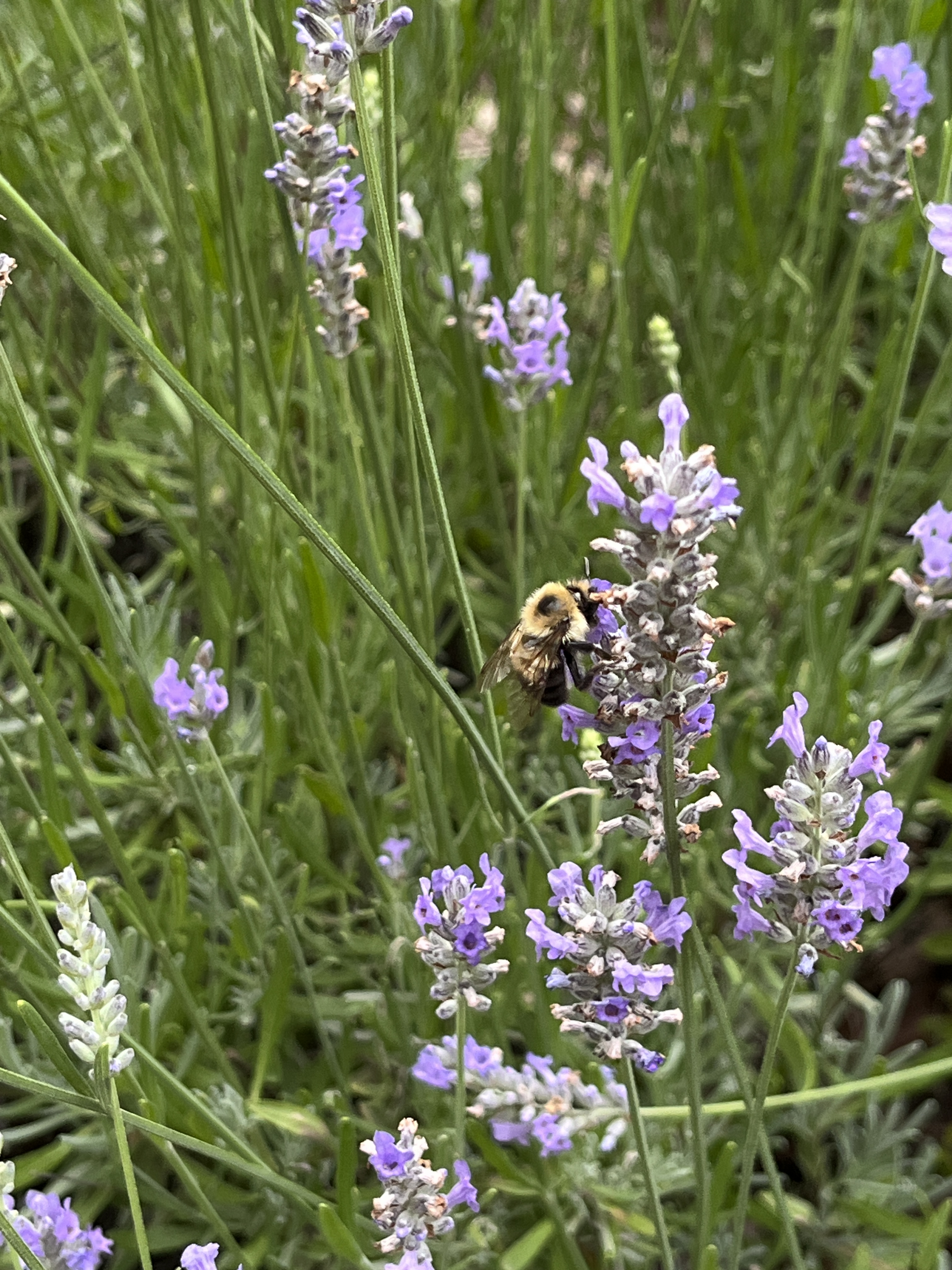
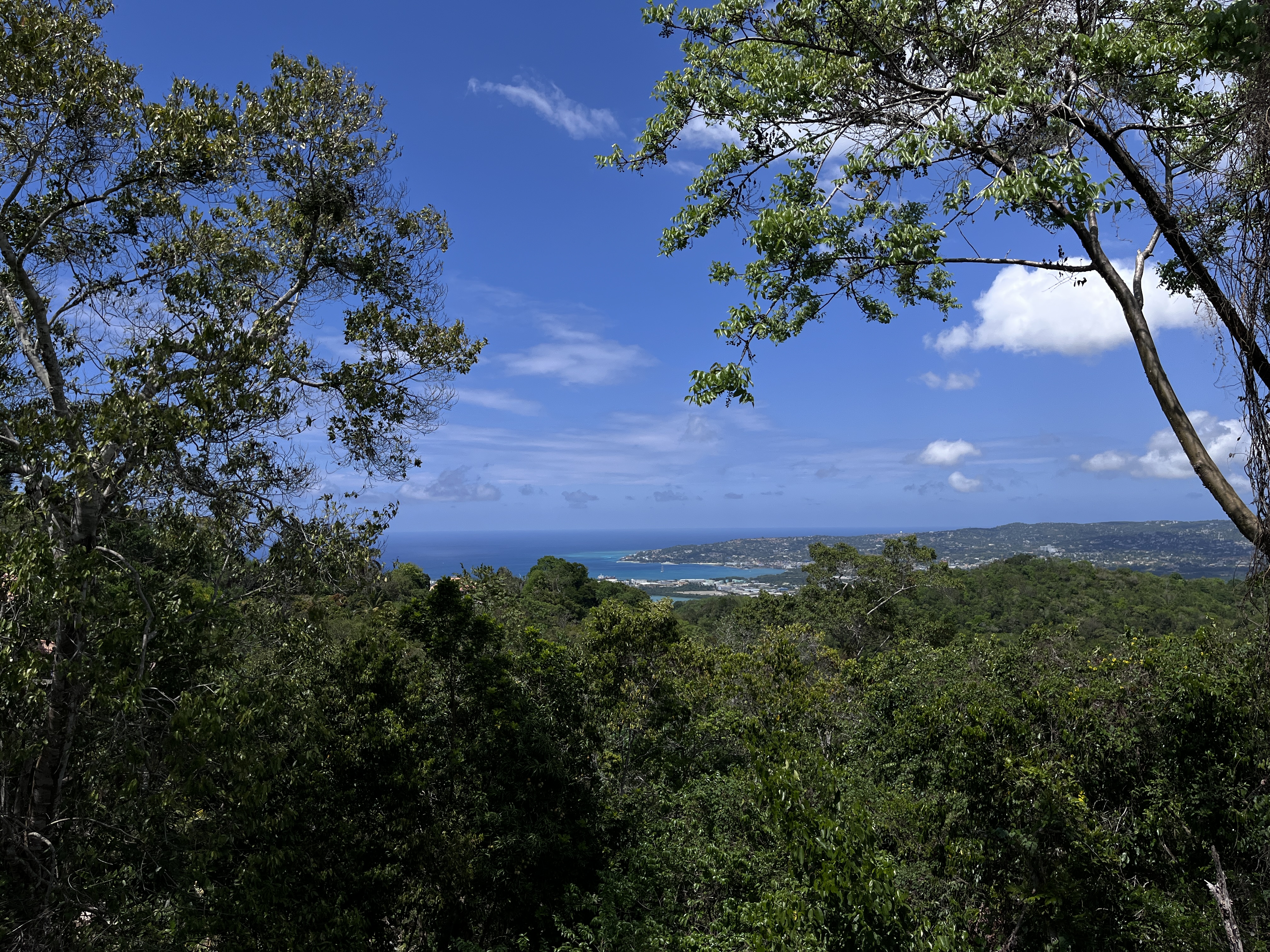
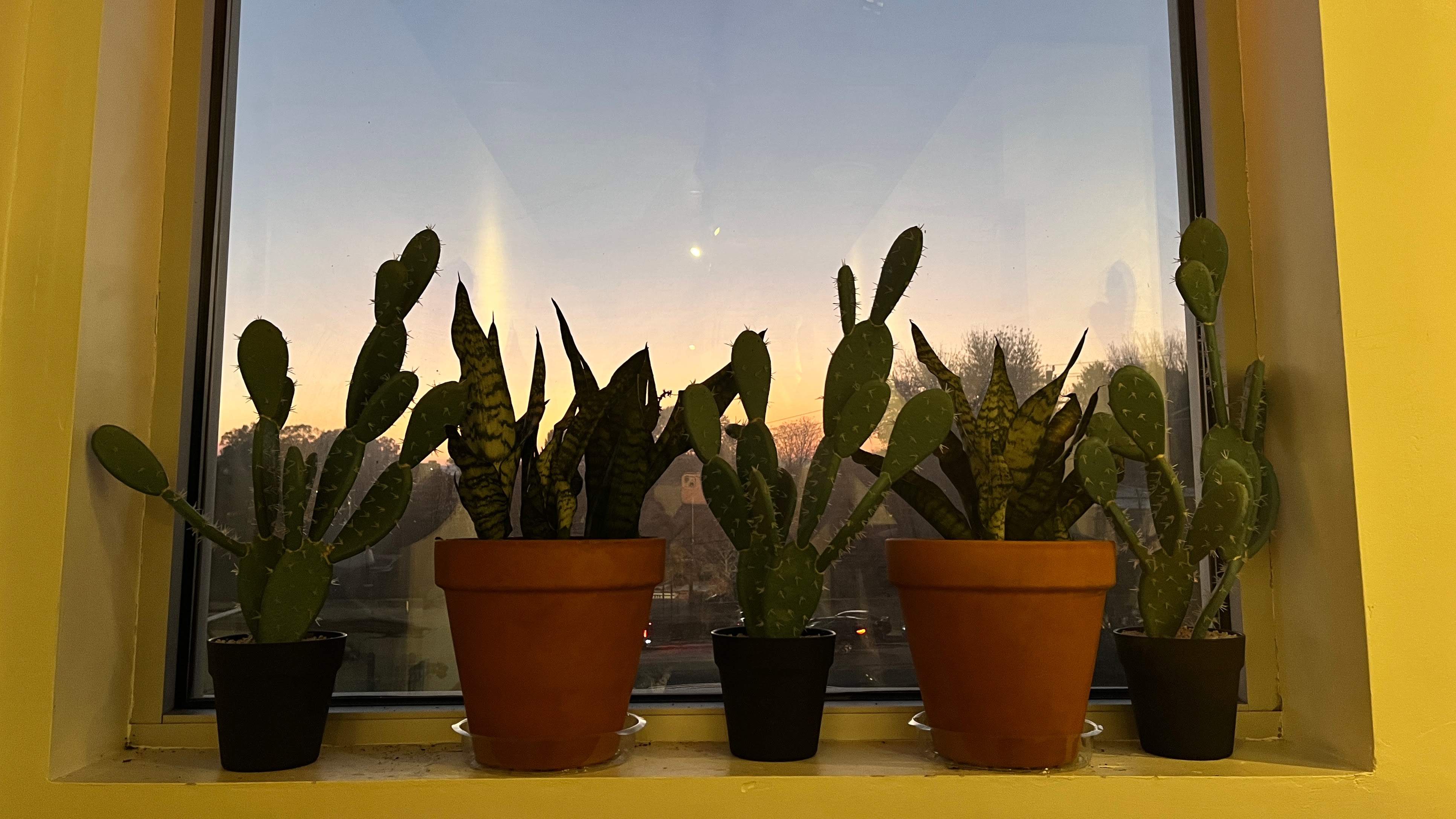
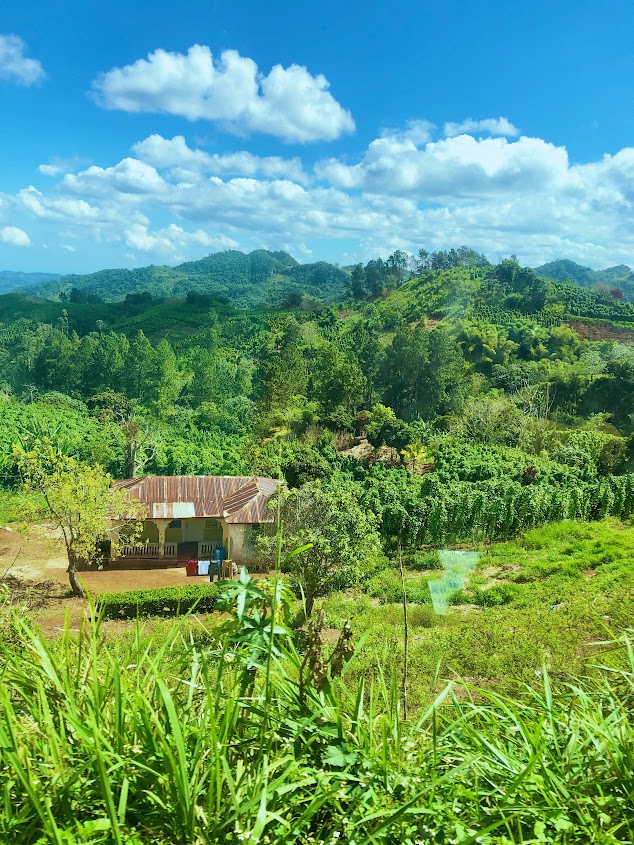
Other recipes and plants and histories are left to be discovered by us, our way of connecting to the past and remembering those forgotten. Cerasee, lavender, hibiscus, periwinkle… the beauty of nature that surrounds us, the way it helps us, and the curiosity of our past that can lead us to see nature with fresh, hungry eyes!
GET BACK OUT THERE!!
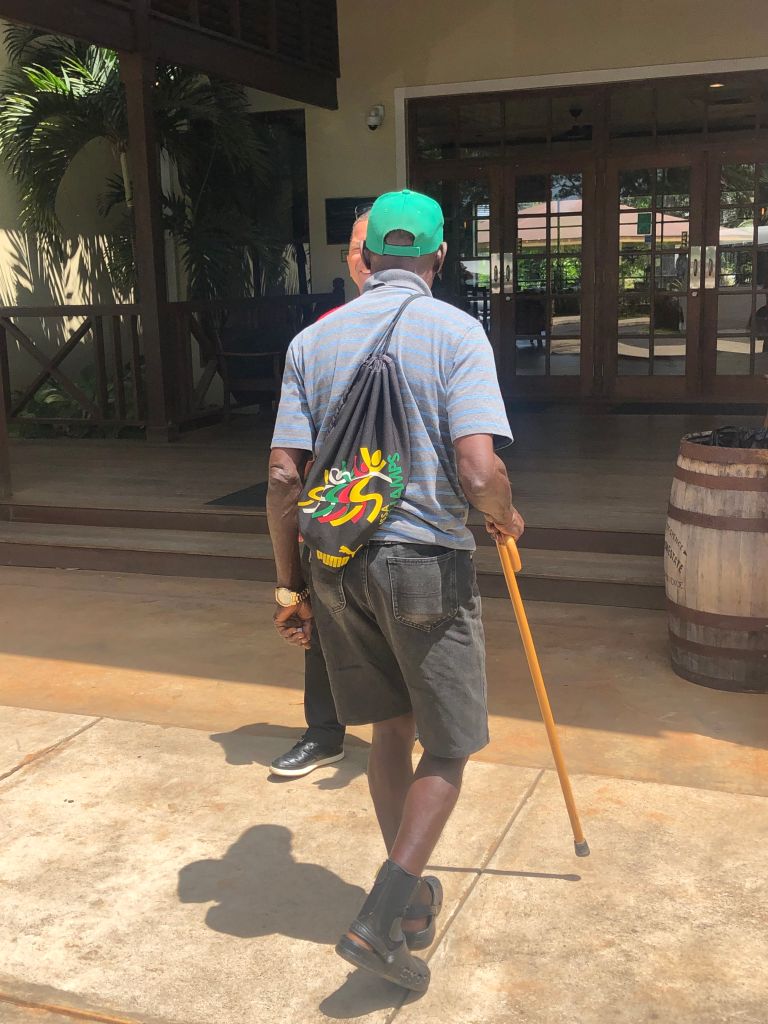
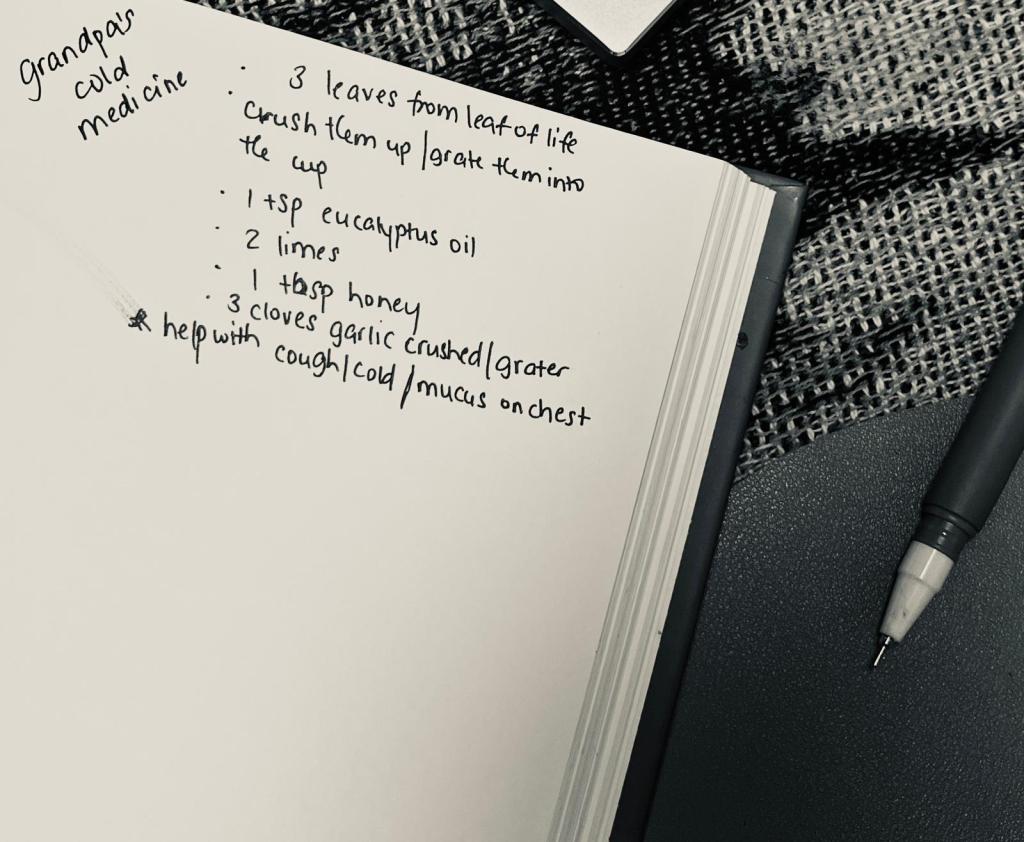
When I recently had a very bad chest infection, I called my grandfather for a recipe he gave me when I was younger. Tasted awful, smelled awful, but bwoy did it work!! When I use this, it helps so much, and I grew to understand why he kept this in the little chubby soda bottle on the firdge door. It works, but so does over-the-counter cough medicine, right. But the reason I use this remedy isn’t just because it works sooo much better, or because I want to be ‘alternative’. It’s because it helps me feel connected to my history and culture, and more in tune with the innate part of me (and you) that looks to nature to heal. And I’m hoping that I can get you to explore that after reading all of this. So here’s a quick recipe:
From my Grandpa to you: A mix to help with cough/cold/mucus on chest.
 Sylvia Wynter's Dream
Leave a comment