Final Project| Javeir Henry.
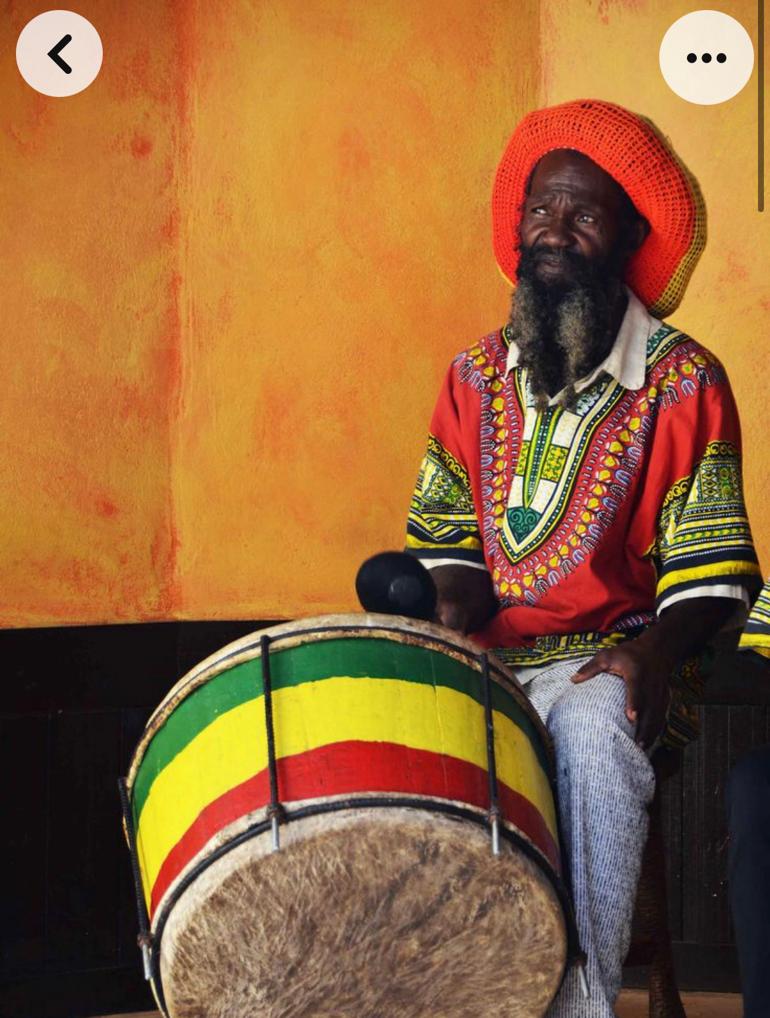

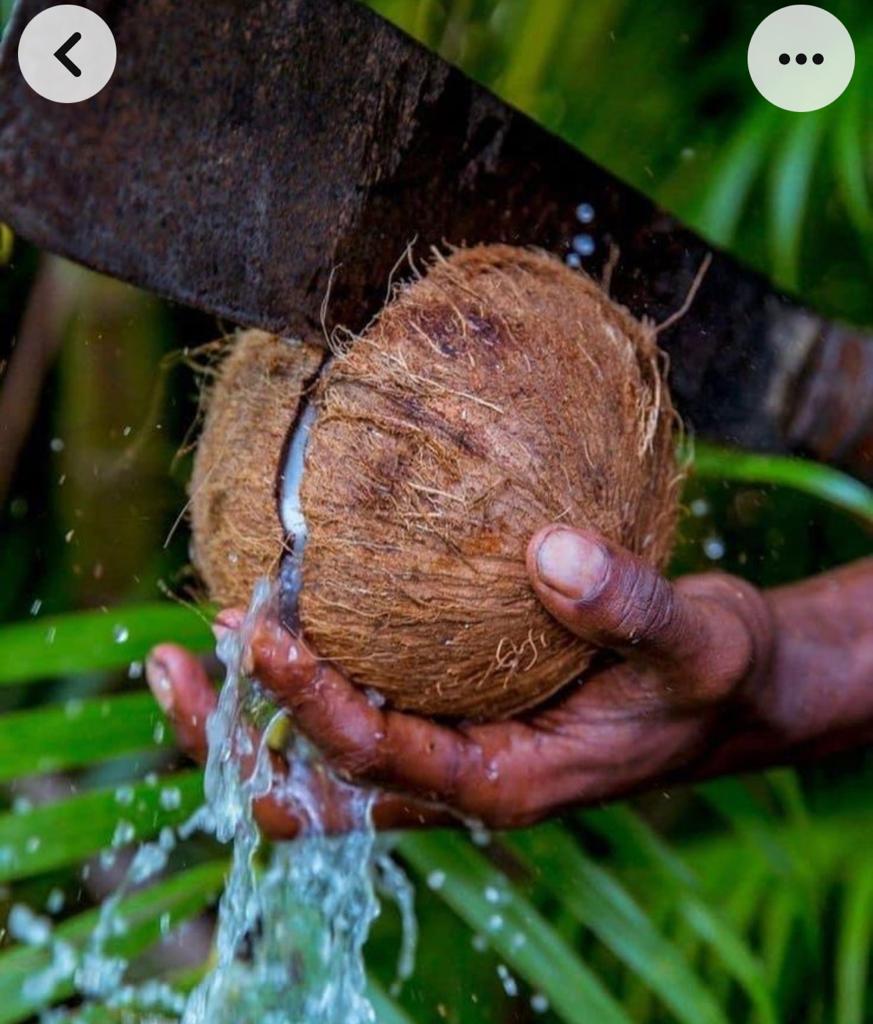


Throughout my anthropological exploration, my goal is to unravel the intricacies of various practices and traditions, preserving them within our cultural fabric and imprinting them in our collective consciousness. Please join me on a journey back in time!


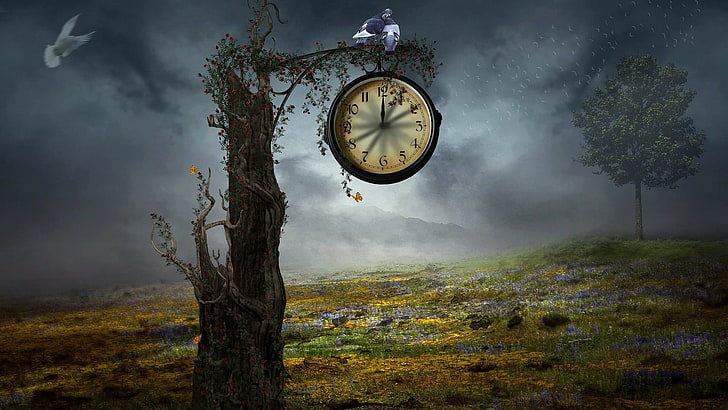

Jamaica is an island filled with rich tapestry and cultural heritage that makes it unique. However, overtime things have either been forgotten or not practiced as much as they used to be. I chose to delve into the realms of cuture to aid in the preservation of our beautiful heritage and practices so that they remain relevant and timeless. As a nation, it is essential to remember our cultural roots because it makes us who we are.

Due to globalization, generational shifts, technological advancements, and a lack of education, individuals might become more receptive to forget about their cultural heritage, traditions, and practices. The forgetfulness of Jamaican traditions has become a vicious cycle due to these factors and others which can heighten the risk of societal implications such as identity crisis.
Jamaicans (especially elderly people) often practice certain traditions due to various beliefs. Beliefs and traditional practices are interlinked to an extent as they ultimately shape the identity, values, and morals of people which gets passed down from generation to generation.
J A M A I C A N F O L K L O R E

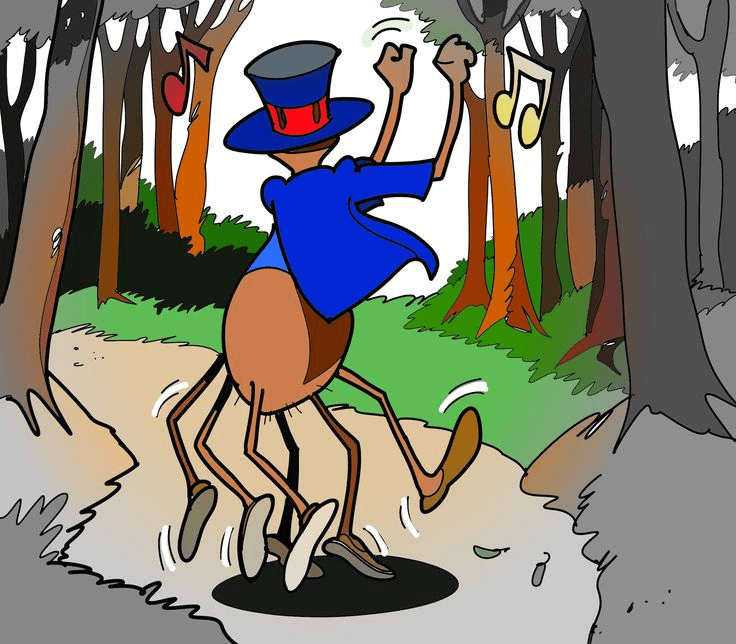
The Oxford Dictionary defines folklore as, “the traditional beliefs, customs, and stories of a community, passed through the generations by word of mouth.” Through folklore, breeds the the art of storytelling Anancy stories—Anancy is an African folklore character who is considered half human and half spider. It is alleged that his form is as a result of punishment from the Gods. The Jamaican Information Service (J.I.S) states that these stories originated in Africa, Ghana and they were transmitted to Jamaica from the slaves who were transported in the transatlantic slave trade.

Anancy stories usually includes tales of his wife, brothers, and children and a lot of these folklore stories were told by cultural icon, and folklorist, Louise Bennett-Coverley. Miss Lou told these tales and performed them solely in Jamaican Creole or “Patwa,” while she reinforced various aspects of Jamaican culture throughout her works to keep our legacy, and cultural heritage alive. Click here to view one of her poems entitled, “Homesickness” as she highlighted how deeply she missed Jamaican culture and various practices while she was overseas.
Remembering the folklore tales of Anancy is significant as they often convey valuable life lessons, fostering a connection with Africa and recognizing the historical hardships of slavery. Additionally, these tales are entertaining due to Anancy’s mischievous, clever, and selfish character. However, they are quite valuable and play a pivotal role in recalling our past and ties with West Africa.
S U P E R S T I T I O N S

Many Jamaican people embrace a strong sense of superstition, relying on a variety of theories grounded in dreams or natural phenomena to predict outcomes—whether positive or negative. Numerous myths pertaining to pregnancy abound, cautioning against certain occurrences. For instance, there is a prevailing belief that if a croc lizard falls on you, it signifies an impending pregnancy for either yourself or someone close to you. Similarly, the appearance of a “cat bwoil” on one’s eye is thought to foretell the pregnancy of a dear friend or family member. Adding to the complexity of these superstitions is the notion that “dreams do not walk in a straight line.” This belief suggests that the interpretation of dreams may not align with their apparent meaning. Consequently, a dream about death or a funeral could paradoxically indicate an upcoming marriage, with weddings symbolizing a form of transformation or change akin to death. In navigating these intricate beliefs, Jamaican individuals navigate a rich tapestry of superstitions rooted in their cultural and spiritual perspectives.



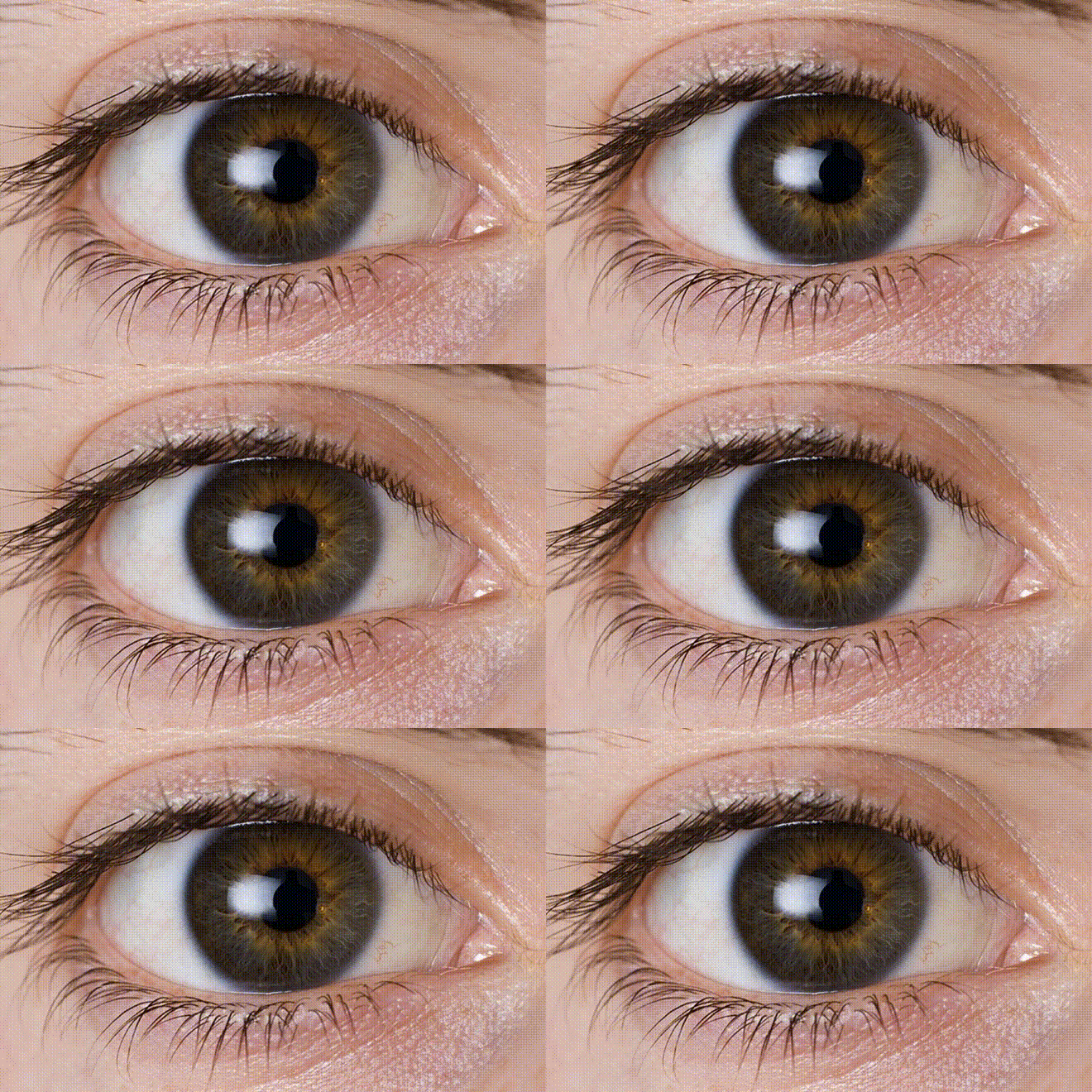
Yet another belief suggests that when your right eye twitches, it signals an impending positive event or serves as a prelude to favorable outcomes. This phenomenon may also indicate an upcoming reunion with someone you haven’t seen in a while. Conversely, the superstition holds that if your left eye twitches, it forewarns of an impending unfortunate event or the likelihood of shedding tears. In a different vein, if the middle of your hand itches or if bees sting you, there is a belief that financial gain is on the horizon. Furthermore, the notion persists that when your “ears a ring,” then someone, somewhere, is gossiping about you.
B E L I E F S / M Y T H S
Jamaicans are deeply rooted in specific practices that stem from a myriad of beliefs, woven tightly with unwavering convictions. One such practice involves the ritual of “spinning their roll” before entering homes late at night, a widespread belief aimed at warding off ghosts or “duppy” that might trail behind them. Another prevalent myth encourages the act of washing one’s face with rice, purportedly granting the ability to see ghosts or “duppy.” If you wish to view an eerie duppy story then you can click the link to hear a story right here.
Adding to the tapestry of Jamaican folklore is the renowned myth of the “rolling calf,” a significant element that contributes to the cultural richness of the island. Moreover, cautionary tales prevail, such as the belief that leaving clothes or hair around carelessly opens the door to potential “obeah,” which is a form of malevolent spiritual influence. If one points to a grave, tradition dictates the necessity of biting all ten fingers, or else they will rot off. Please click the link here to view some other myths that are utiltized by Jamaican parents. Also, if you wish to view the myths surrounding structures such as the “Flat Bridge,” and creatures like “River Mumma,” then click here.


C H R I S T M A S T R A D I T I O N S

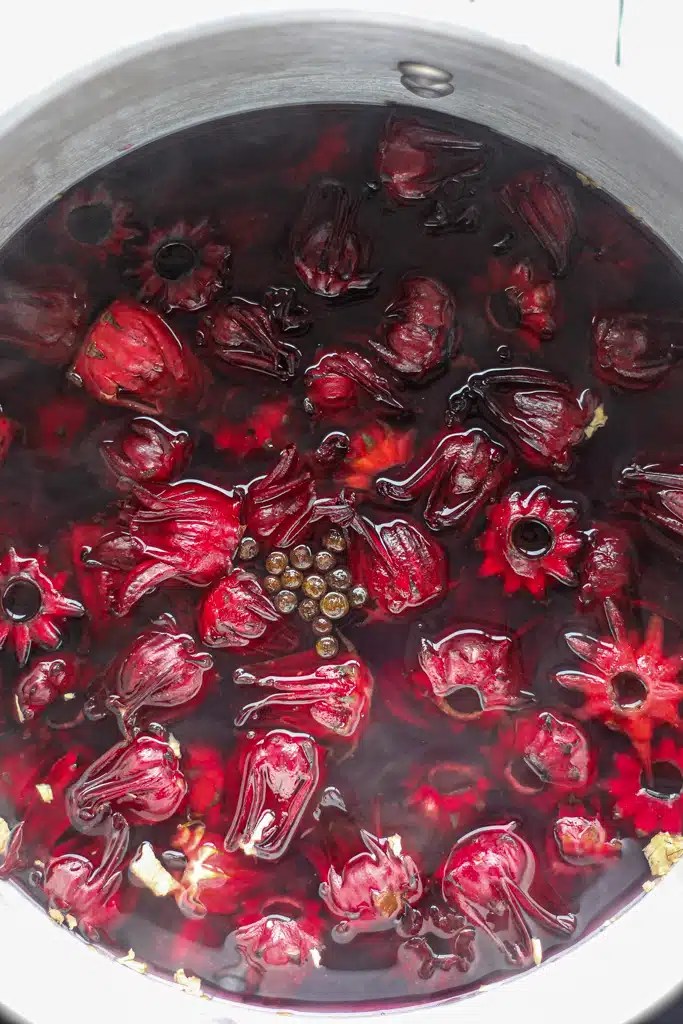

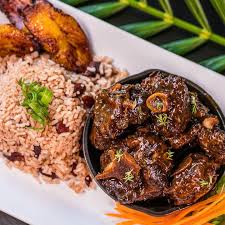
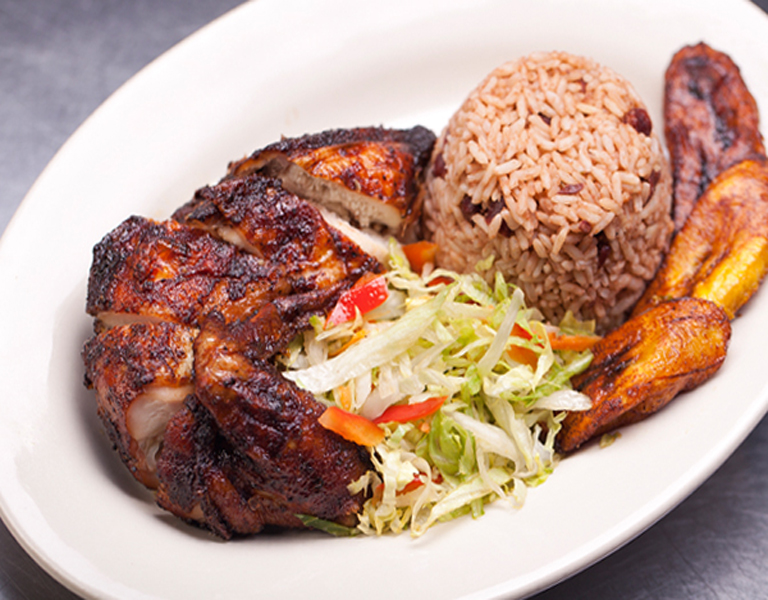
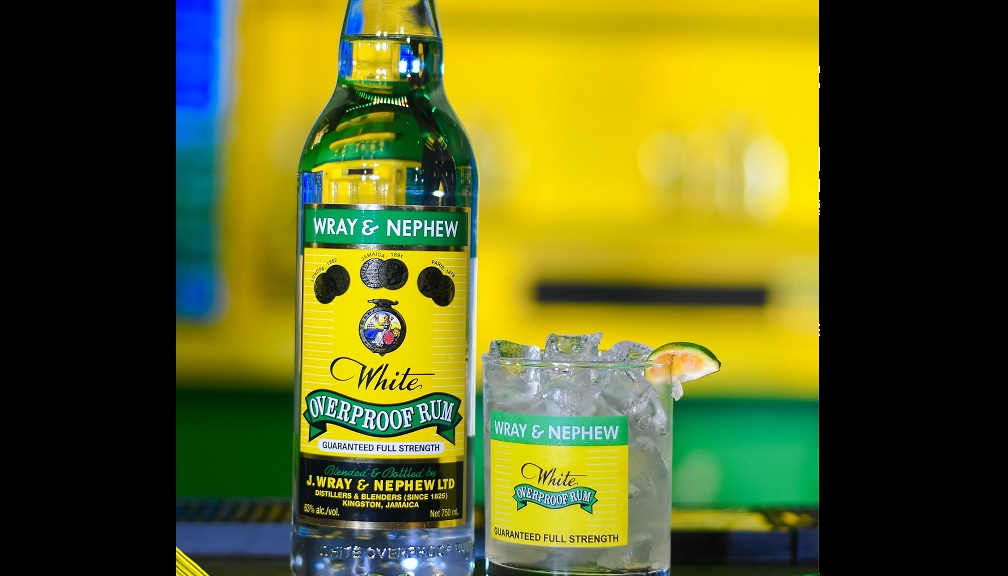
Numerous traditions mark the Christmas season as a time for families to come together and revel in shared celebrations. In Jamaica, festive practices abound, including the cherished tradition of “Christmas cleaning,” wherein homes undergo a meticulous repainting and thorough cleaning. Additionally, families bring out their most elegant utensils from the cupboards, reserving them for this special occasion. A hallmark of the season is the rich and diverse array of meats gracing the festive plates, complemented by the refreshing taste of sorrel drink—with pimento seeds, cloves, ginger, and/or white rum. Sorrel is an invigorating beverage crafted from the hibiscus plant and it is famously known for its health benefits. These customs not only enhance the holiday spirit but also reflect the significance of togetherness and festive rituals in Jamaican Christmas celebrations. Christmas would not be festive without “Grand Market,” so to view my previous post about the Grandmarket experience growing up inJamaica during the holidays, then click here.
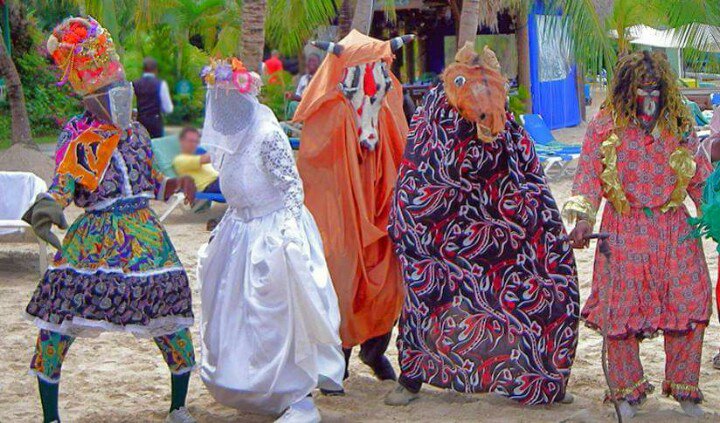
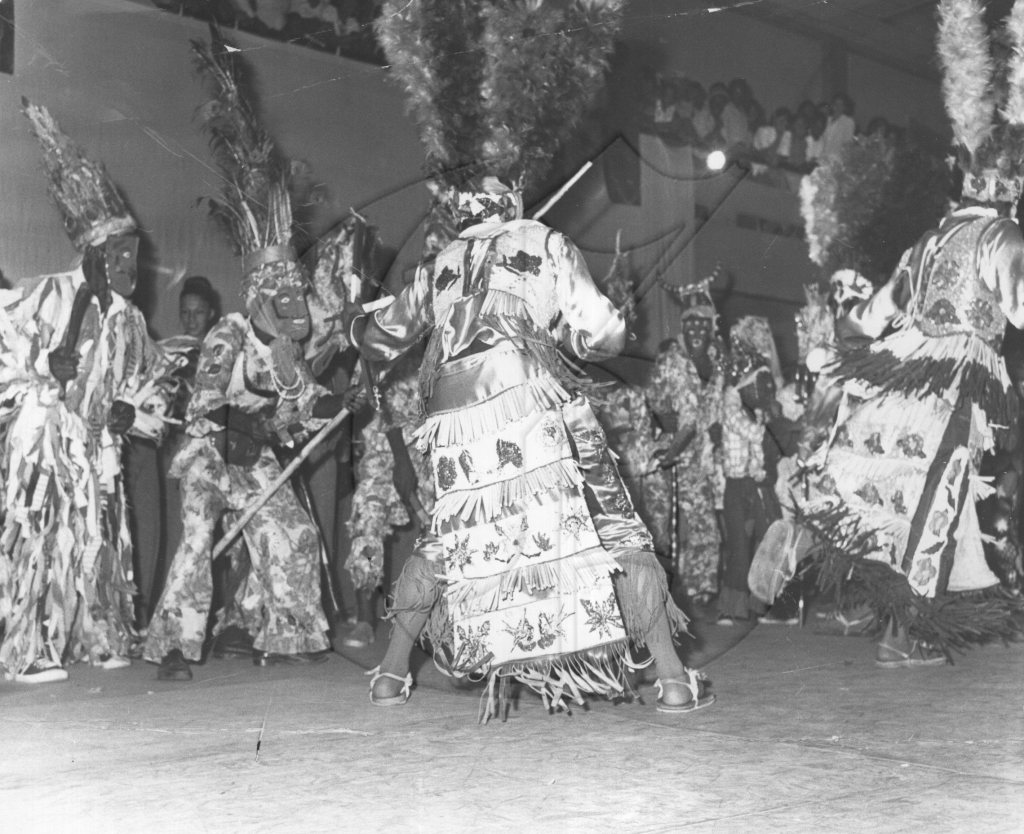

Jonkanoo is an African tradition that has been passed down from generations and it is often practiced during the holidays. This festival is also reffered to as a type of ‘street parade’ which is accompanied by the rhythmic and melodic beats of drums and scary customes with a lot of noises and excitement. This vibrant and enriched celebration is practiced widely throughout the Caribbean and some of the main characters are: The King and Queen, Policeman, The Big Belly woman, Pitchy Patchy, Bride, The Horse Head, and The Devil. Rooted in Jamaican heritage, this enduring tradition emphasizes the resilience and fortitude of the black community, serving as a poignant reminder of strength amid historical challenges. Originating in Africa, the dance originated during the era of slavery on sugar plantations, offering a form of release and expression during difficult times.
FAMOU S OLD H O U S E H O L D I T EMS
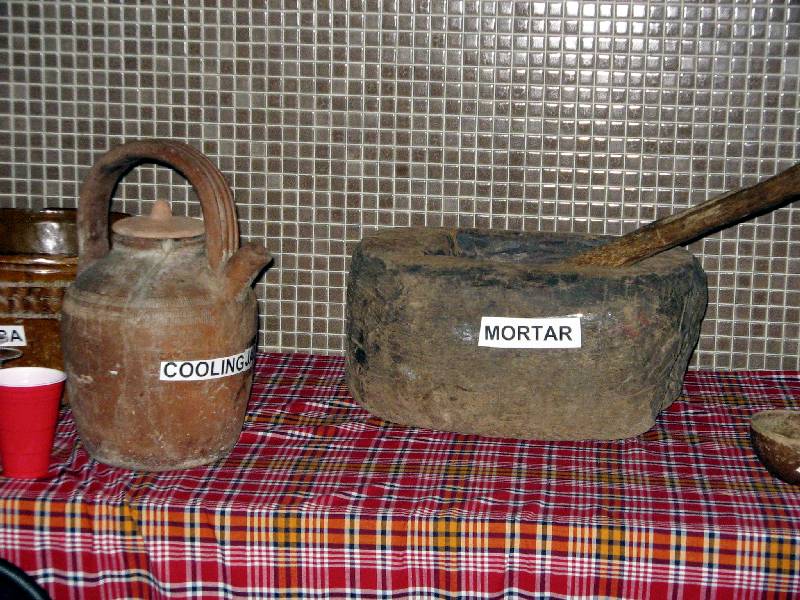
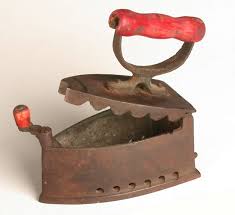
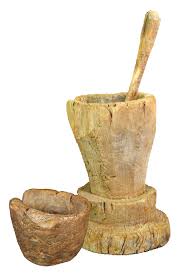
In nearly every Jamaican household, a plethora of artifacts can be discovered, although the majority of these items are commonly associated with older residences, such as those belonging to our grandparents. Some of these items include: iron, mortar, lamps, and china cabinet or “what not.” A lot of these items hold a lot of sentimental value to the older generations so sometimes they just store them as antiques.



N I N E N I G H T / W A K E
During wakes, Jamaicans usually vibe to some Rock steady and other oldies as family, friends, and loved ones gather to mourn the death of an individual. Amidst the grieving, there is usually excitement as the aroma of mannish water,jerked chicken, curried chicken, soup, and white rum fill the air. Where there is good food and good vibes, music and dance will follow and this can be seen during the wake where Kumina dances are practiced.
According to Marie Curie, “Nine night is a separate event to the funeral itself. It’s like the Irish wake and takes place nine days after the death of the person. You have a celebration of their life at the point at which their spirit traditionally leaves the body. It’s a Jamaican practice with roots in an African tradition.” During nine nights, Jamaicans usually vibe to some Rock steady and other oldies as family, friends, and loved ones gather to mourn the death of an individual. Amidst the grieving, there is usually excitement as the aroma of mannish water, jerked chicken, curried chicken, soup, and white rum fill the air. Where there is good food and good vibes, music and dance will follow and this can be seen during the wake where Kumina dances are practiced.
Another common practice in Jamaica is to move around furniture in the house a few days after someone’s passing, to confuse or agitate their spirit when they return home. However, a lot of these practices have became “watered down” or rarely practiced due to the evolution of time and various cultural beliefs and practices which have emerged in the younger generation.


J A M A I C A N D A N C E S


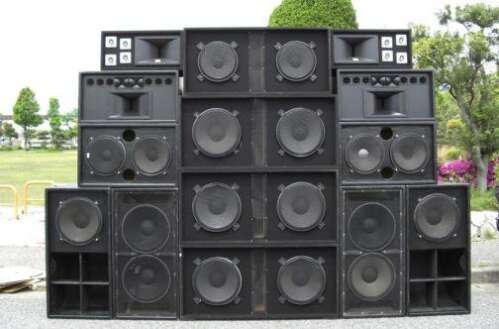
According to National Library of Jamaica, “Jamaican traditional dances exhibit a diverse cultural influence, drawing primarily from European and African roots. Among the African-derived dances like Kumina, Myal, and Pocomania, a distinct religious character prevails, integral to worship ceremonies. These rituals transport participants into the spiritual realm, preparing them for potential spirit possession. The preservation of these significant aspects of Jamaican heritage owes much to the Maroon Communities. Conversely, European-derived dances such as Etu, Quadrille, and Maypole initially held religious significance but have evolved into predominantly social expressions. Accompanying work songs and ring games, these dances have sustained their popularity over the years.Jamaica’s unique Creole dances, including Johnkannu/Jonkonnu, Bruckin’s, Pukkumina, and Revival, demonstrate a fusion of elements from both European and African cultures. Reflecting a rich blend of influences, these dances contribute to the vibrant tapestry of Jamaican cultural expression.”




To conclude, these deeply entrenched beliefs, practices, and traditions contribute a layer of richness and authenticity to Jamaican culture. They serve as the bedrock that fortifies the nation, fostering a profound sense of belonging and identity and it is essential that we do not forget them. Addressing the risk of cultural amnesia, it becomes imperative to consistently engage in these practices and traditions, ensuring their perpetuity across generations. Preserving and passing down these cultural legacies not only safeguards our heritage but also plays a pivotal role in shaping our values, morals, and overall sense of self. The significance of remembering these cultural practices and traditions lies in creating a space where Jamaicans can openly embrace the echoes of our past. In doing so, we lay the foundation for a collective journey that transcends historical constraints, providing a blank canvas upon which we can inscribe new narratives and redefine our own stories.
* I do not own copyright for any of the [images/other media] included in this post. This [blog] is strictly for informational purposes only.
 Sylvia Wynter's Dream
Leave a comment