The video below showcases a story of a young girl that experiences false memories:
“Sometimes the death of a memory, can lead to the birth of a false one.”– Brittney Bent
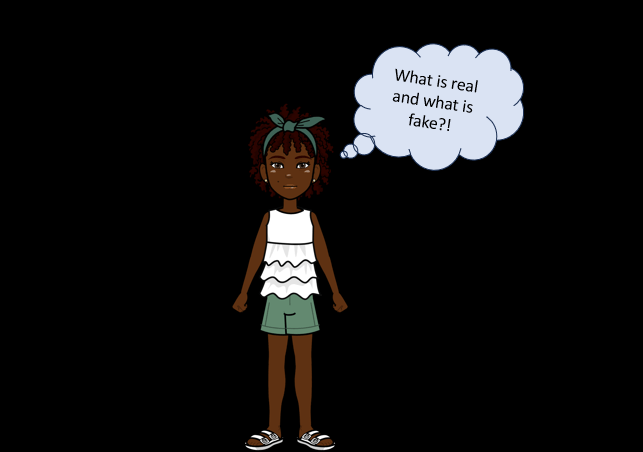
False memories can be defined as a recollection of events or experiences that never happened. Everyone has false memories. However, what causes false memories and how does it affect us?
We forget memories every day. In fact, every time we reflect on a memory we forget a bit of the details. The only time that we remember something exactly as it is, would be the first time that we remember it. Reflecting on a memory repeatedly may also increase the chances of the memory being modified overtime(Paul, 2012). We would just be remembering the memory how it was the last time we reflected on it but not what actually happened.
Moreover, conditions such as amnesia may cause false memories. Amnesia is a condition which causes memory loss, whether it is temporary or permanent. Some symptoms of amnesia include memories that are completely false or true memories that are displaced in time (Mayo Clinic Staff, 2022).
Additionally, studies show that most people forget at least fifty percent of new information within an hour of acquiring it (Zauderer, 2023). So, what does this say about our memory? Is it really reliable?
Many studies actually show that our memories are highly reliable while others show that our memory is unreliable (Rust, 2021). This could be due to, as stated before, the fact that our memories are reconstructive. Studies by researchers from the University of Toronto accessed the memories of individuals who attended a recent event. A couple days after the event, they were asked to recall the details of the event. Although the average person in this study could only recall fifteen to twenty percent of their experiences at this event, their memories were 93 to 94 percent accurate, on average (Rust, 2021).
Interestingly, this is a way that false memories can be created. Overtime, we lose details of our memories and false memories may fill the missing gaps(Cherry, 2021). Your brain may add false details to your memory. For example: you may remember wearing a blue dress or getting ice-cream at an event when that never even happened at all! Maybe you really wore a red dress and had soup instead.
There are several other factors which contribute to the creation of false memories. As shown in the video above, negative events in someone’s life may contribute to the creation of false memories(Holland, 2019). In fact, research shows that people who experience negative emotions are more likely to have false memories than people with positive emotions (Holland, 2019). Grief, stress and PTSD( post-traumatic disorder) are associated with negative experiences and emotions.
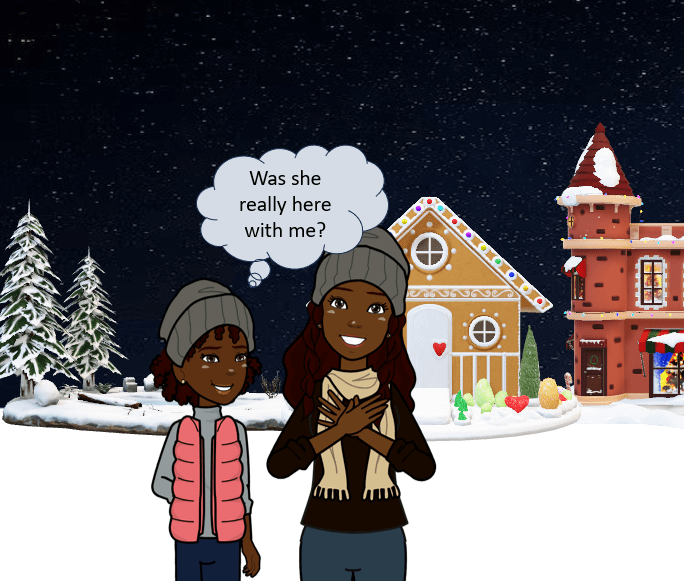
The little girl experienced negative emotions from the loss of her sister. Therefore, her false memories were a way for her to cope with the loss of her sister. She is happy as she reminisces about her joyful moments with her sister which, in reality, does not include her sister. The false memories may be seen as a coping mechanism for people who are depressed. These false memories may provide them with happiness and comfort, which they are not experiencing in reality.
Additionally, have you ever heard of the popular saying, “There are three sides to every story. My side, your side and the truth”? That is true, as it relates to memory. Sometimes, memories may be biased and opinionated. Two persons may have different recollections on a fight that happened. One may believe that person A was the aggressor while the other may believe that person A was the victim. That is because we may interpret our memories differently (Cherry, 2021). These biased interpretations may lead to false memories to fit the narrative of what the person imagined.
It could be said that we live a second life in our dreams. We may have travelled the world or experienced great things in our dream. Unfortunately, sometimes we experience our greatest fears as well. Luckily for those who experience the latter, the dreams are false. However, there are instances in which dreams are confused with reality (Ferraro,2021). This may lead to the creation of false memories, as the person believes that what happened in the dream happened in reality. Personally, I have experienced instances in which I struggle to determine what is a real memory from what is a dream. I remember that I had a nightmare about my pet several years ago and I rushed to check if she was okay because I thought it was real. Maybe you remember doing your homework but it was actually done in your dream. If I were you, I would check to my book to see if I actually did it!
False Memories and Technology

In a world of advancing technology, it has been proven that technology can have an impact on our memory. Cameras are more accessible to everyone in the year 2023, when compared to five decades ago. Now, people can use their phones to record any event and their favourite moments. Digital cameras also capture moments as well. However, do these increase or decrease false memories in our society? If the memory is captured as it is, will people still have false memories of the event?
Research shows that old photographs may reinforce false memories because it gives your imagination something to work with (ABC News, 2004). A study was done on college students by psychologists of the University of Victoria. It showed that if the college students were given a class photo of themselves with their first grade class and asked about a false memory by the researcher, majority remembered the event that never happened in detail. It was then concluded that old photographs can stimulate memories of events that never happened (ABC News, 2004).
Hence, maybe when you are browsing through your old photo gallery or album and reminiscing on memories, maybe those memories did not actually happen and you are growing and feeding false memories.
Photoshop and deepfakes may also have an impact on memory. There has been limited research on this topic. However, some show that deepfakes could contribute to the Mandela effect (a phenomenon in which most of a population shares a common false memory). Deepfakes portray images and videos of something which has never happened but it looks real. In some cases, this could be used to spread propaganda. False representations of a certain celebrity collecting a trophy or a politician talking about ideas, could be created with deepfakes. These have the ability to trick the masses into believing that a particular event happened and create false memories ( Ho Tran, 2023).
In conclusion, false memories are common and in some cases, they are harmless. False memories could be caused by many factors such as naturally forgetting details of a memory, memory conditions, negative emotions, biased perspectives, dreams, old pictures and false digital representations. False memories is indeed an intriguing phenomenon to study and more research could be done as it relates to the relationship of technology and false memory.
Click this link to do the short quiz on common Mandela Effects!
https://forms.gle/Jw7NHjsoRcjmS8Su7
Bibliography
ABC News. ( 2004). Real Pictures Can Trigger False Memories. ABC News.
Cherry, K. (2021). False Memories and How They Form. Verywellmind.
Ferraro, K. (2021). Experts Explain How Dreams Can Mess With Your Memories. Bustle.
https://www.bustle.com/wellness/can-dreams-cause-false-memories
Holland, K. (2019). False Memory: What You Need to Know. Healthline.https://www.healthline.com/health/false-memory
Ho Tran, T. (2023). Turns Out Deepfakes Are Damn Good at Making Us Invent False Memories. Daily Beast.
https://www.thedailybeast.com/deepfake-videos-trick-us-into-inventing-false-memories-new-study-finds
Mayo Clinic Staff. (2022). Amnesia. Mayo Clinic.
Paul, M. (2012). Your Memory is like the Telephone Game. Northwestern.
Rust, N. (2021). Our Memory Is Even Better Than Experts Thought. Scientific American.
https://www.scientificamerican.com/article/our-memory-is-even-better-than-experts-thought/
Zauderer, S. (2023). Memory Capacity Of Human Brain: 29 Human Memory Statistics & Facts. Cross River Therapy.
 Sylvia Wynter's Dream
Leave a comment