Javeir Henry | Blog #6


“Without memory, there is no culture. Without memory, there would be no civilization, no society, no future.”
-Elie Wiesel

Memory serves as a vital bridge connecting the past, present, and future, holding stories and experiences that shape an individual’s character. However, the failure to preserve knowledge about one’s history or culture can result in a long-term ripple effect of amnesia, negatively impacting communities, countries, Caribbean people, and the world.

In Jamaica, significant changes over the years have led to an ongoing sense of identity crisis and a gradual deterioration of Jamaican culture due to various reasons. The tradition of storytelling, deeply rooted in African heritage, played a fundamental role in preserving cultural practices and history. During the period of enslavement, storytelling served as a means of maintaining a connection to the homeland and passing down beliefs and practices. This means that they would congregate and engage in stories, myths, and other taboo practices.
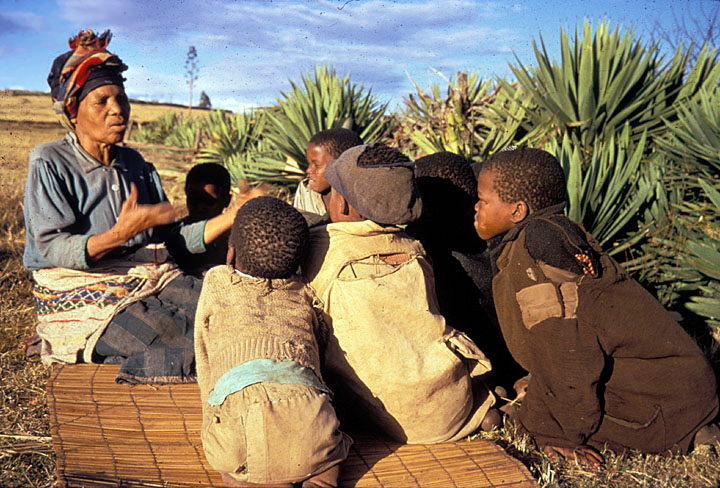
Moreover, it was considered to be a scared practice that passes on traditions and norms while preserving their history of ancient times. It was also seen as a source of entertainment and a mental escape from life on the plantations due to their lack of physical freedom.
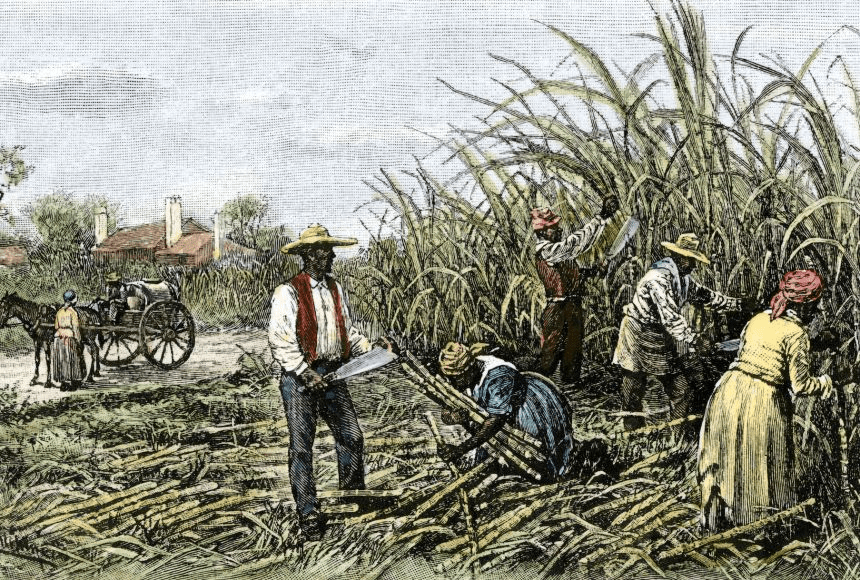
As a child, I experienced the richness of this tradition during visits to my grandparents’ house, where we would gather to listen to captivating stories of rolling calves, Anancy’s comedic adventures, and eerie duppy tales.
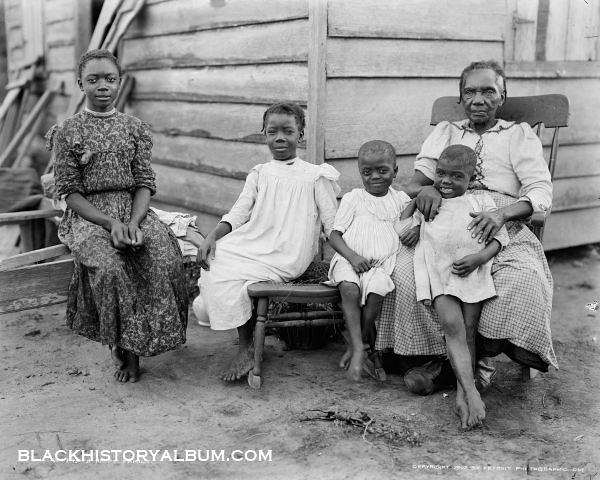
However, the tradition is fading as the older generation, including my mother, no longer shares these stories with the younger ones (my niece and nephew). This poses a challenge for future generations in reconstructing their knowledge about their roots and heritage, potentially leading to a loss of identity as the tradition of storytelling will gradually fade away.
Similarly, traditional practices such as home remedies and the use of “bush” tea or fever grass for healing purposes were once widespread, especially in rural areas. The older generation relied on remedies like cerasee, busy, and honey with lime, rooted in African origin. However, these practices are diminishing, with younger generations opting for modern alternatives like over-the-counter pills. This shift not only affects their understanding of identity but also threatens the preservation of cultural practices, contributing to a potential loss of cultural identity and disconnection from ancestral roots.


Childhood activities have also evolved with technological advancements. While my cousins and I engaged in traditional games like jump rope, and “Dandy Shandy,” modern children often immerse themselves in digital platforms, participating in TikTok dances and challenges. This shift, driven by technological influences, can result in a detachment from traditional childhood experiences and a failure to appreciate the present moment.



Moreover, spiritual practices, such as my grandfather anointing my forehead with olive oil for protection against evil spirits, were once common. However, in contemporary times, a decline in respect for church traditions is evident, with instances of violence occurring during religious ceremonies. This shift reflects broader societal changes and challenges the continuity of spiritual practices passed down through generations.

In conclusion, the evolving landscape of culture, traditions, and practices in Jamaica illustrates the potential long-term effects of amnesia on identity and heritage. The fading tradition of storytelling, the decline of traditional remedies, shifts in childhood activities, and changing attitudes toward spiritual practices collectively contribute to a complex interplay that challenges the preservation of cultural identity and highlights the need for intentional efforts to preserve these traditions for future generations.


 Sylvia Wynter's Dream
Leave a comment