Cultural Identity
When I think of cultural identity, I think of all the things that a group of people have in common that will give them a sense of identity and belonging. A better definition speaks where culture is the shared characteristics of a group of people, encompassing, place of birth, religion, language, cuisine, social behaviours, art, literature and music (National Geographic). I have the unique experience of belonging to two different cultures, Indian and Jamaican. For a long time, I was very confused about my cultural identity and how I should identify myself so that I can fit into my community. Regionally, our culture is categorized as Caribbean, nationally, our culture is categorized as Jamaican, and at a micro level, I have mainly been exposed to an Indian cultural background. I was conflicted on whether I should call myself Jamaican or Indian, and if I did choose either address, will I be automatically abandoning a part of my identity? With the aid of this project, I was able to finally merge both of my cultural identities so that I can include all categories and be a Jamaican Indian woman. When most people think of Jamaica, they immediately think of things like reggae and jerk chicken, additionally, a majority of the population is made up of the descendants of the Africans, while the Indian cohort makes up only a small minority of the population, but I can say that we have also brought our influences on the culture as well with our curry, mango, jackfruit and tamarind (Jamaica National Heritage Trust).
Origin
The East Indians first came to Jamaica as indentured labourers between the years 1845 and 1917. They assimilated into the culture and after their contracts, as indentured labourers ended, they returned to their ancestral profession engaging in labour and trade. They also abandoned their tradition of naming their children after the deities and nature while adopting the concept of anglicizing their names. Presently many Indian surnames have changed except for a few such as Maragh and Singh (Jamaica National Heritage Trust). There is also the surname of my maternal family, Jagaroo, however, I am uncertain if it was originally a surname of my ancestors who migrated from India. I already know that my current surname, Gangadeen, is one that was created by my ancestors after migrating to Jamacia from India, which my father told me. The migration of Indians to Jamaica is coined as Indian Arrival Day and is celebrated annually on May 10th and 11th (Jamaica National Heritage Trust). The ship SS Blundell brought the first group of Indians, 261 people, to Old Harbour Bay on May 10, 1845 (KMPG). I am a descendant of those Indian migrants, however, most of their information has become obsolete, and even trying to find out information about my grandparents proved to be a difficult feat. My grandparents, those alive and deceased, have significantly influenced me and how I identify myself as a part of the Caribbean, Jamaican and Indian culture.
Biography
Paternal Grandparents
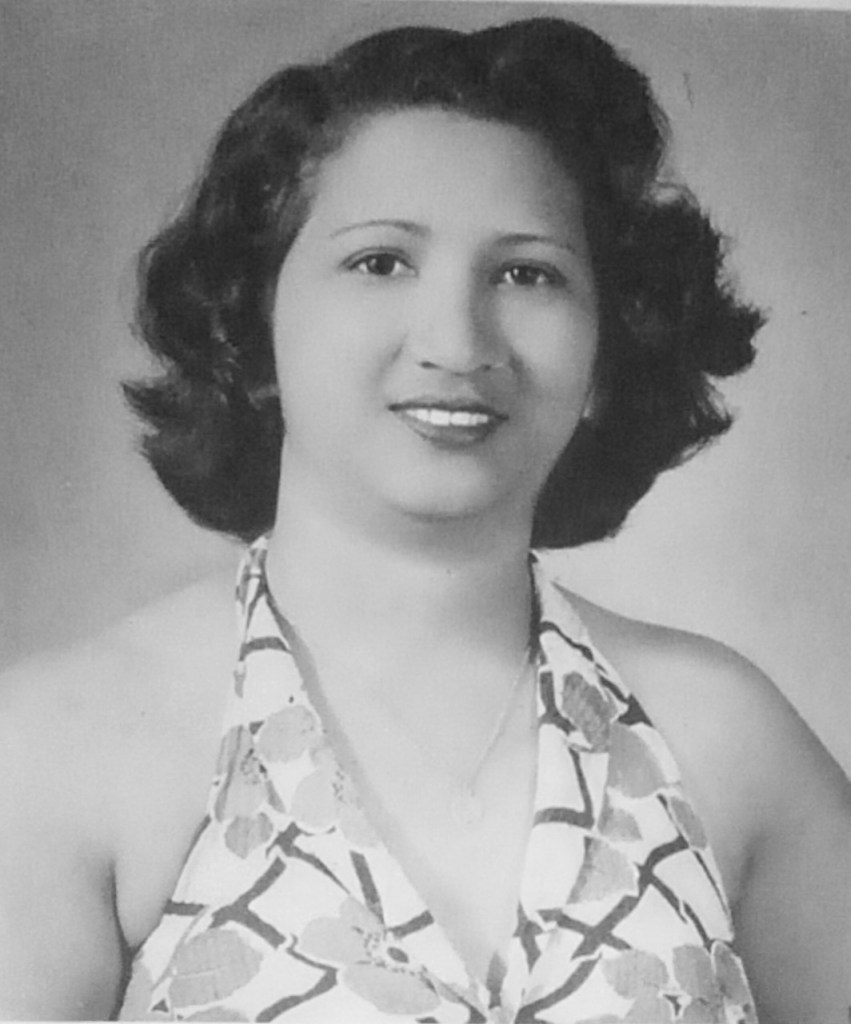
Name: Lillian Ada (NEE: Williams) Gangadeen
D.O.B.: December 6, 1924 (approximately)
P.O.B.: Kingston
D.O.D.: 1975, 51 years old
Cause of death: Stomach ulcer, stroke 1 week after surgery, blood clot
Married, separated
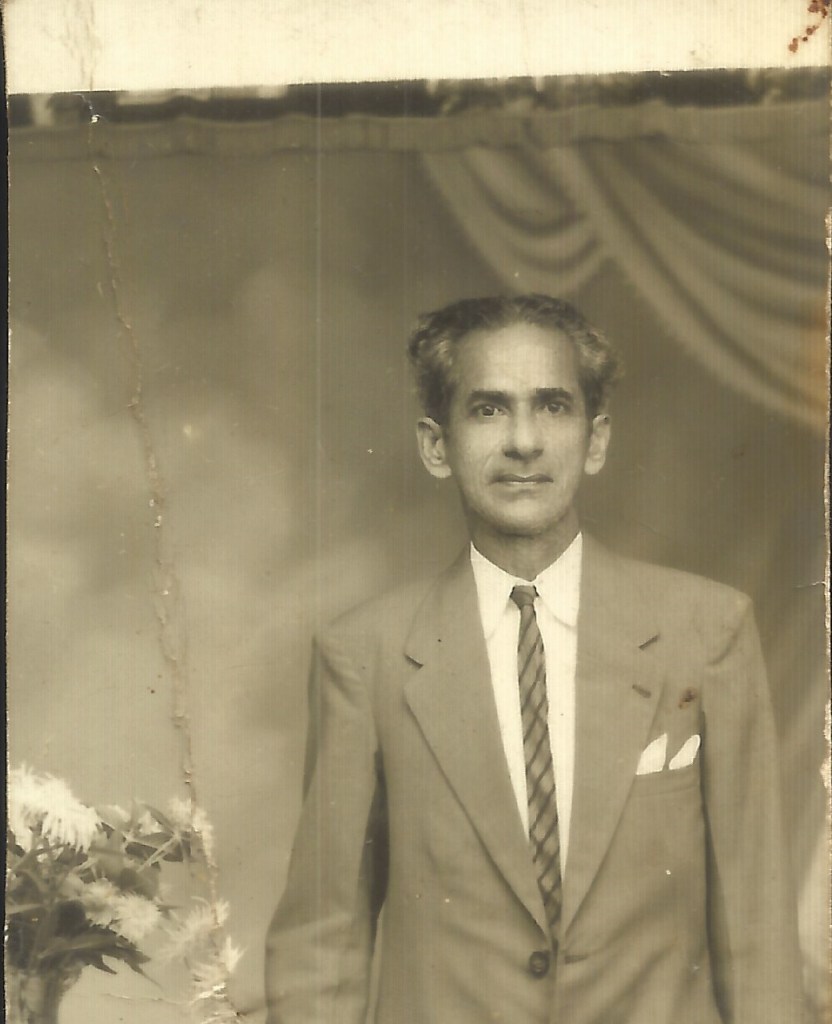
Name: Frederick Gangadeen
D.O.B.: September 11, 1908 (approximately)
P.O.B.: Mount Regale, St. Mary
D.O.D.: 1994, 86 years old
Cause of death: heart failure
P.O.D.: Yallas, St Thomas
Maternal Grandparents
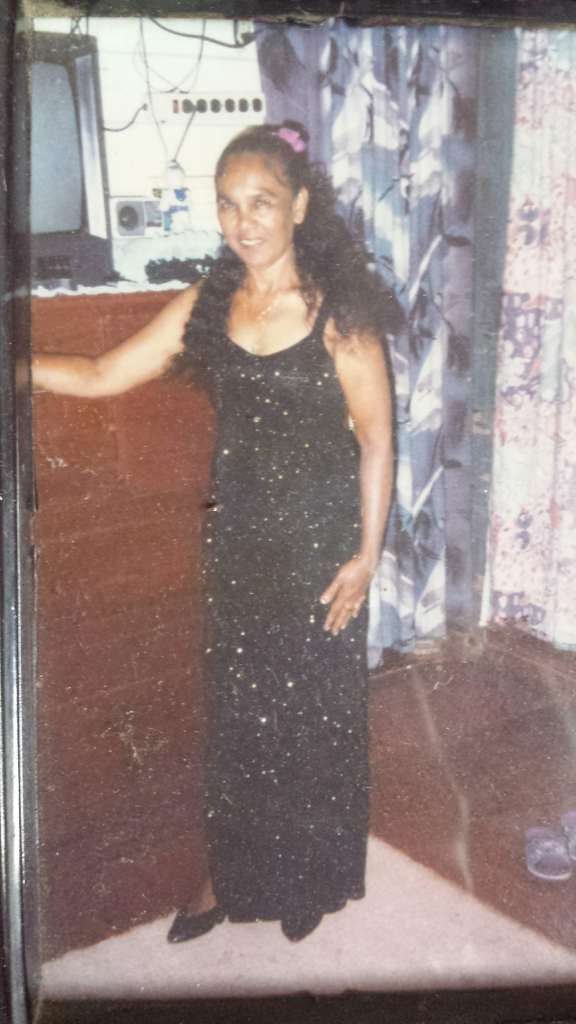
Name: Bernita (NEE: Brown) Jagaroo
D.O.B.: April 6, 1945
P.O.B.: Pembrokehall, home birth
Married, widow
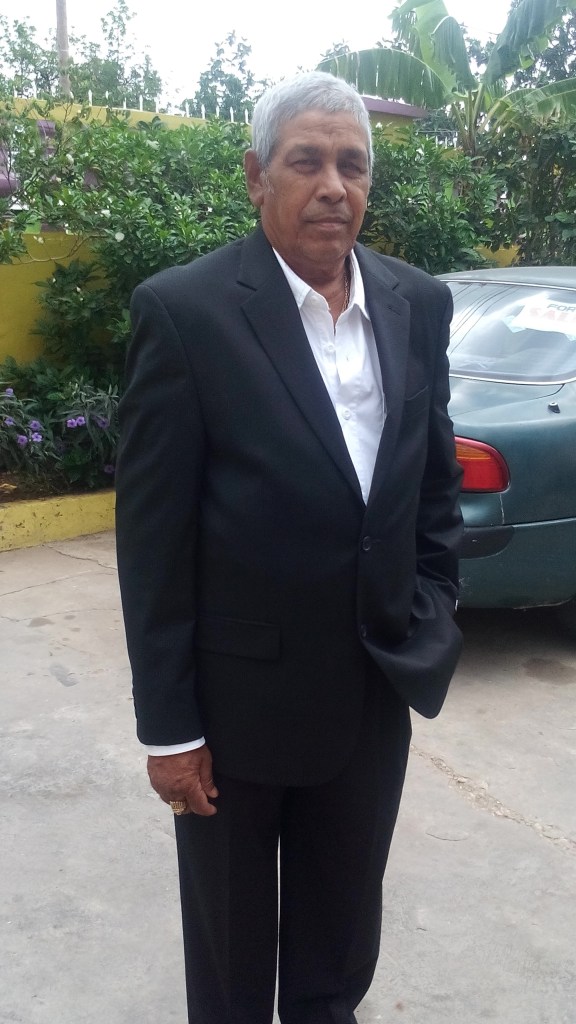
Name: Clifton Horace Jagaroo
D.O.B.: August 23, 1951
P.O.B.: Reddington, St Mary
D.O.D.: April 27, 2022
Cause of death: Pneumonia
Married
Influence
My maternal and paternal grandparents have been a great influence on how I understood my Indian culture and my own identity. My maternal grandparents taught me about my Indian culture through music, dance, food and language. My maternal grandma taught me how to make roti as soon as I was tall enough to reach the stove and my mater grandpa taught us how to speak Hindi. Unfortunately, there was very little interest when I was a child and now the only words I remember are paisa which means money, and pani which means water. My maternal grandpa often sang songs in Hindi and would sometimes tell us what they mean in English. I would also listen to the songs and sing them, even though I didn’t know what they mean.
My paternal grandparents unintentionally influenced me through their absence by inciting in me a desire to know more about them, and their origins and discover more about myself along the way. The significance of one’s name came into play through this desire for knowledge. While there is still much information that is yet to be uncovered, I will continue to search and discover more about my grandparents, our ancestors and myself. The accumulation of this knowledge will slowly solidify my own identity as well.
 Sylvia Wynter's Dream
Leave a comment