by Kandice Thompson
This article containers spoilers
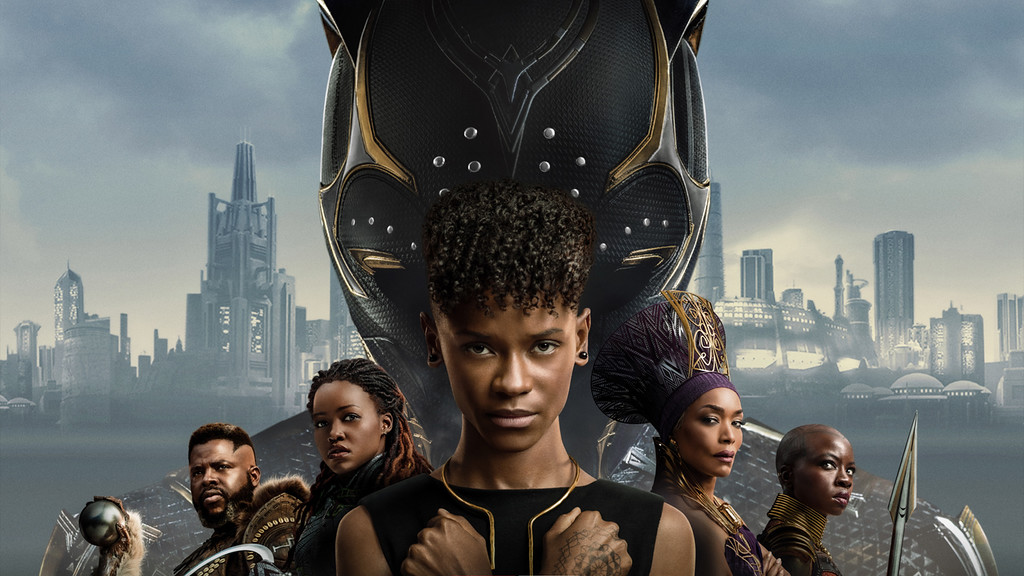
Okay so hear me out, Black Panther: Wakanda Forever was for the Black girls! Beyond the geopolitical wars and Marvel’s formulaic film style that has become standard in the superhero genre is a love letter to Black women and girls. No, this isn’t a co-sign of the damaging strong Black woman trope but a way to acknowledge how the film centers the Black woman’s gaze and is invested in a nuanced representation of Black womanhood and girlhood.
^Background Reading Music^
The Girls Held It Down
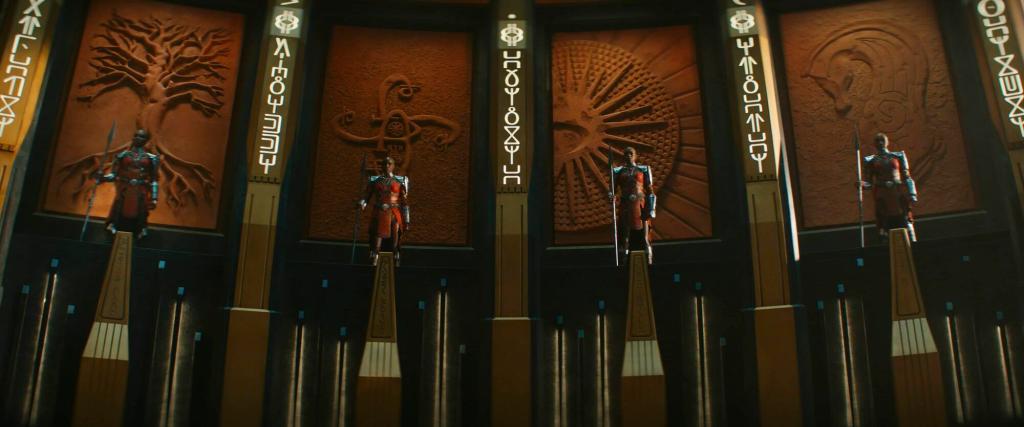
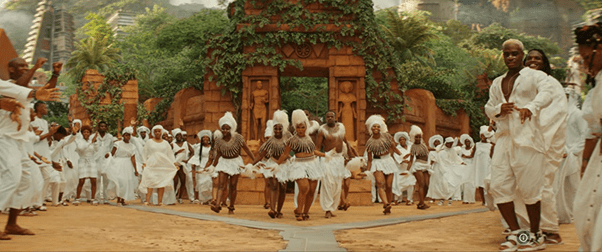
I know, a female lead cast, featuring strong warrior women leading the most powerful nation seems like a set up for some tokenism and stereotyping or worse, diversity pandering like that one scene in endgame that many MCU fans found cringeworthy or obvious pandering, Wakanda Forever doesn’t do that. For the first time we are actually getting some insight into the culture and social dynamics of Wakandan culture whereas in Black Panther (2018) it was mostly T’Challa’s MCU “origin” story that was also helping to set up Avengers: Infinity War (2018). We were dazzled by the visuals – glimpses of the city, the fashion, the council, the technology but the film mostly centered T’Challa and Wakanda’s introduction to the MCU. We see a bit about their monarchy and the five tribes but not so much how they interact or how life is like outside the palace walls and Warrior Falls.
The sequel is marked by the passing of Chadwick Boseman who played T’Challa and thus we see Wakanda but mainly the women, Shuri, Queen Ramonda, Okoye and Nakia wracked by grief and how the loss has shaped them. Letitia Wright in the role of Princess Shuri carried the film with a stellar performance. As the character most visibly struggling with the loss of T’Challa we see her grapple with anger and fear as she buried herself in technology, withdrawing from the world.
The Boys are Mad

In the comic book nerd realms, seeing women lead and be centered is triggering for a lot of people. This film in particular challenges viewers and MCU fanboys to confront their prejudices…again. There has been some pushback because a man doesn’t take up the Black Panther mantle. A man isn’t the big hero or savior, it’s a young Black woman which is uncomfortable for some to witness. Ryan Coogler and Joe Robert Cole subverted expectations and show that non-male dominated narratives are entertaining too! This left male audiences grappling not only with the loss of T’Challa/Boseman but with the absence of a central male figure.
The film is undeniably stunning with beautiful cinematography and great pacing considering the burden the film had to carry by introducing two new major figures as well as develop the narrative from the first movie. The narrative was compelling and made to move you to tears, the fight scenes were high-octane and fresh! The only flaw is the injection of MCU setups, and the PG formula Marvel has boxed itself into.
MCU Formula and The Sequel Curse

Shuri’s development was relatable and welcomed. However, it was propelled in such a dark way that couldn’t have been sustained or realized to its full extent for the purposes of the current MCU playbook. The films have gradually become darker, balancing levity (and PG appeal) with more serious undertones, which meant that Shuri’s internal conflict needed to be resolved with a bow on top. The attempt to have the film remain self-contained even though it is clearly part of a larger narrative was a drawback that was jarring in the few instances it happened. Take CIA Agent Ross’ subplot or Shuri’s Lion King moment with her mother during her battle with Namor/Kukulkan. They rushed Shuri’s villain arc, so the de-escalation felt like a cop-out and anti-climactic as we know Namor had plot armour at the point. They weren’t going to introduce Talokan and Namor just to kill him off in the same film.

Now is that enough to consider the film a flop when it is the strongest film of Phase Four so far? I don’t think so, it’s not the most perfect film to ever exist but the major grievances and biases seem to be hiding behind this one point. When up until that scene, we were treated to an incredibly entertaining, well-balanced film. Marvel just handed the naysayers a smoking gun to blast the film though Coogler and his team did a fantastic job juggling Boseman’s death, the seamless and faithful inclusion of Mayan mythology into this world and giving a nice springboard for Riri Willaims (Ironheart) and developing the characters from the first film. It did well especially for a sequel as most of Marvel’s have been forgettable and lacking -ahem- Winter Soldier…what even happened in Iron Man 2?
The Women

Shuri’s maturity was evidenced in how she dealt with the Talokans. During battle we see her evoke her royal upbringing to spare Riri’s life (or play into Namor’s hands) and lead us into the underwater city of Talokan. Letitia Wright and Tenoch Huerta Mejía’s chemistry was palpable and worked well to show how closely mirrored both their societies were. Blessed with the discovery of vibranium, there ancestors used its power to evade colonizers and advance their people, sustaining their culture while hiding away from the rest of the world but both building military forces and innovative technology for the inevitable discovery of their homes. They both had reason to want to see the surface world burn and Shuri handled Namor’s aggressive tactics as gracefully as she could while hiding their existence from greedy first world nations who already had Wakanda in their crosshairs for invasion.
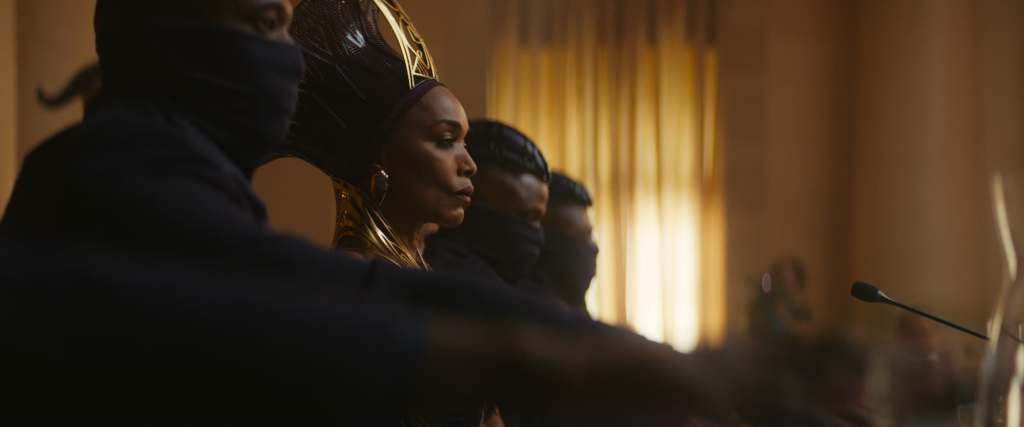

We find Queen Ramonda ensconced in her grief that she wore with a stately fierceness as she wrestled with the diplomatic challenges that come with the throne. Her nurturing side was brought to the forefront as she tried to usher Shuri to find some semblance of grief or coping mechanisms. This was peeled away as her frustration coupled with her commanding nature saw Ramonda furiously stripping Okoye of her rank. The esteemed General’s fall from grace as if she were a favourite child that had fallen out of favour as she had become arrogant as her shoulders shared the burden of leadership. Okoye was the de-facto ruler and premiere warrior, second only to the Queen. This humbling provided growth and added dimension to Okoye that we hadn´t seen since she raised her spear to her husband in the first film. This was a peek into the hierarchal structure of Wakanda.
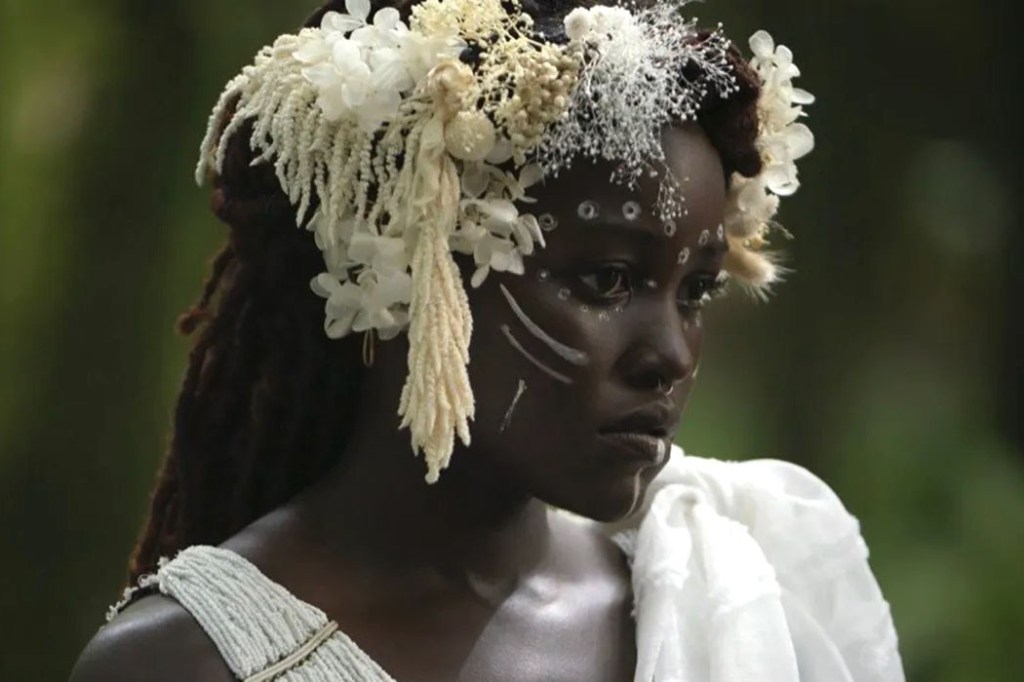
Nakia is brought in to use her War Dog skills to rescue Shuri, but she has changed as well. Gone is the stubborn self-assured spy and in her place is a mother, raising an heir in secret after the loss of her partner. She is less daring and more reserved as she has her son to live for. We witness a sisterly bond between her and Shuri as they work together in the film.
Moment of Appreciation
Can we just bask in Okoye and her breath-taking presence of screen. I mean every scene Danai Gurira killed it as Okoye with the fashion! Michael Coel’s Aneka was a lovely touch, the scene of her in white, sweeping her home after the flood needed some more screentime. It was during the flood when Nakia and Okoye reunited in the city that we saw more of the infrastructure up close and how everyday Wakandans live.

Another Oscar for costume design because whew! I want everything they wore. The Wakandan women and the Talokans were stunning. Poor Namor in his itty-bitty green swim trunks but Attuma and Namora were giving Meso-America meets Atlantis. I love how culture and fantasy were prioritized and well meshed in the character designs for both Talokans and Wakandans. The films privilege modernized but distinct cultural symbols in the world and character designs and that is a huge factor in what sets the Black Panther series apart from the rest of the MCU, it has never been just a Marvel film and its impact goes beyond nerd culture. We must big up the women who carried this film and even if not for the emotional journey, the action was there! So, whether you want to be moved or simply want to see stuff blow up, you’re getting it all with this film and it deserves all the praise.
 Sylvia Wynter's Dream
Leave a comment