By Kandice Thompson
“When a man tell you say music nuh have nothing to do with nothing a foolishness him a talk because he was influenced by a next dj and a next dj…”
Mutabaruka, famous dub-poet and talk show host, strikes out against this new sub-genre of dancehall – trap dancehall. Trap is an American sub-genre of hip/hop and rap that takes its name from the Atlanta slang for drug dens. It is typically characterized by heavy use of synthesized drums and autotune. It relies heavily on studio production and digital instruments. Trap music topics usually cover drug use and violence, so it follows why the Jamaican genre that has absorbed it is dancehall which shares similar subject matter.
Going back to my brainstorming session on Afrofuturism and wondering whether Jamaicans will be self-determining in our future or caught in the ebb and flow of Western ideologies, this is a prime example. Yes, we know with the internet the world is smaller and cultures have long since influenced each other through time. Where it seemed more organic as it was due to proximity, with the gap shrinking, it is easier to see how much American trends and cultural norms are influencing everyday Jamaicans.

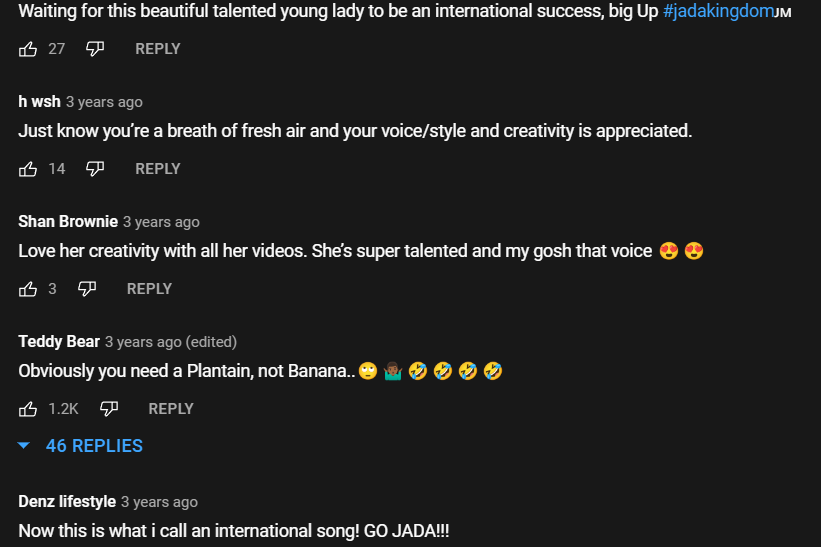
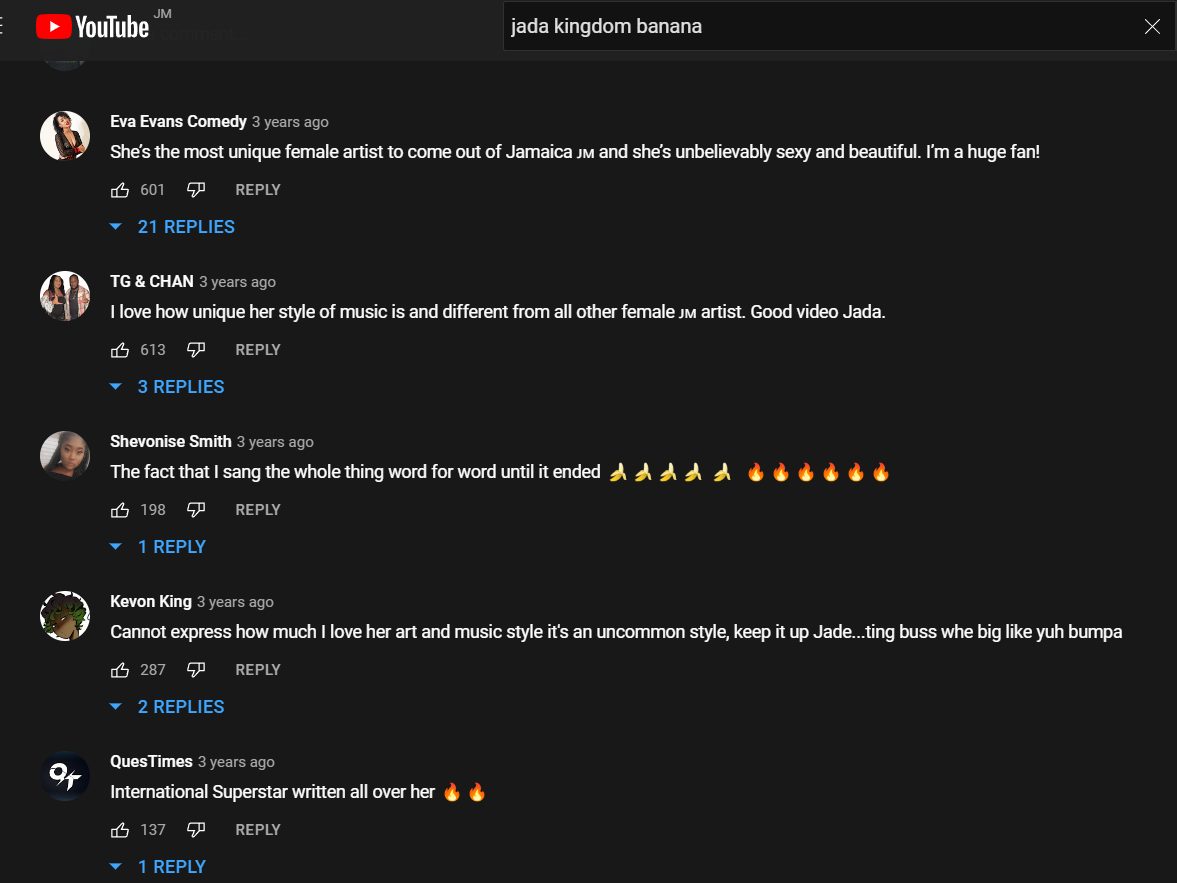
In YouTube comment sections of up and coming as well as established Jamaican musicians, if the song is good or innovative in some way, you’ll often see “this have a international sound”. Now people aren’t thinking of Japan or Germany in this use of “international”. It is mostly speaking to a North American audience. Many Jamaicans are obsessed with crossover appeal and use that as a metric to judge an artiste’s talent or work.
What happened to “If you can make it a yaad, yuh can make it abroad”? Why are we molding ourselves and shifting our culture to that of another if we are such proud people, the trendsetters and innovators?
Who is Responsible?
My music is a reflection of the broader society/ Without a violent society, we wouldn’t have violent music/Art is an expression of life
Vybz Kartel “A Nuh My Music”
Kartel shirks all responsibility while Mutabaruka condemns artistes of his ilk. Kartel says “I wasn’t around in 1980” and it’s true, Dancehall’s controversial status certainly wasn’t ushered in by him. We had pro-violence artistes like Ninajman in the 80’s and Muta acknowledges that this content isn’t new but that the current artistes have normalized “the foolishness” to a new and dangerous degree. He remarks on how “suck yuh mada” has become as normalized as rass, even amongst “big respectable dreadlock rastaman”. The insult used to be fighting words, the shock value is gone and now “mother” has become a bad word. For Muta these men (as he speaks to fathers) he hits out at “a mash up di ting”- they’re devaluing the culture.
The popularity of this song and music video is baffling considering how taboo obeah is among Jamaicans but the symbolism and imagery in this video is venerated because the song is just “too good”. Muta considers how we have videos like this with graphic violence, nudity, debauchery and allow children to watch. We record them, put them on social media sites, dancing to and singing the lyrics and regard it as cute until they’re older and have chosen a particular lifestyle.
Material wealth is the motivator, as Muta said, these artistes are intentional. They are aware of the impact of their music and the ramifications it will have down the line, for future generations. However, they aren’t too concerned as long as they can make money now. What about generational wealth instead of generational curses?
For Muta, the liberatory aspect of Jamaican music that captivated the world is gone and the trappers have brought us down into the abyss, no longer uplifting but promoting degenerate behaviour.
I tend to agree that it is a cop out to say their music is solely a reflection of society and it is up to the parents etc.
We live in a society.
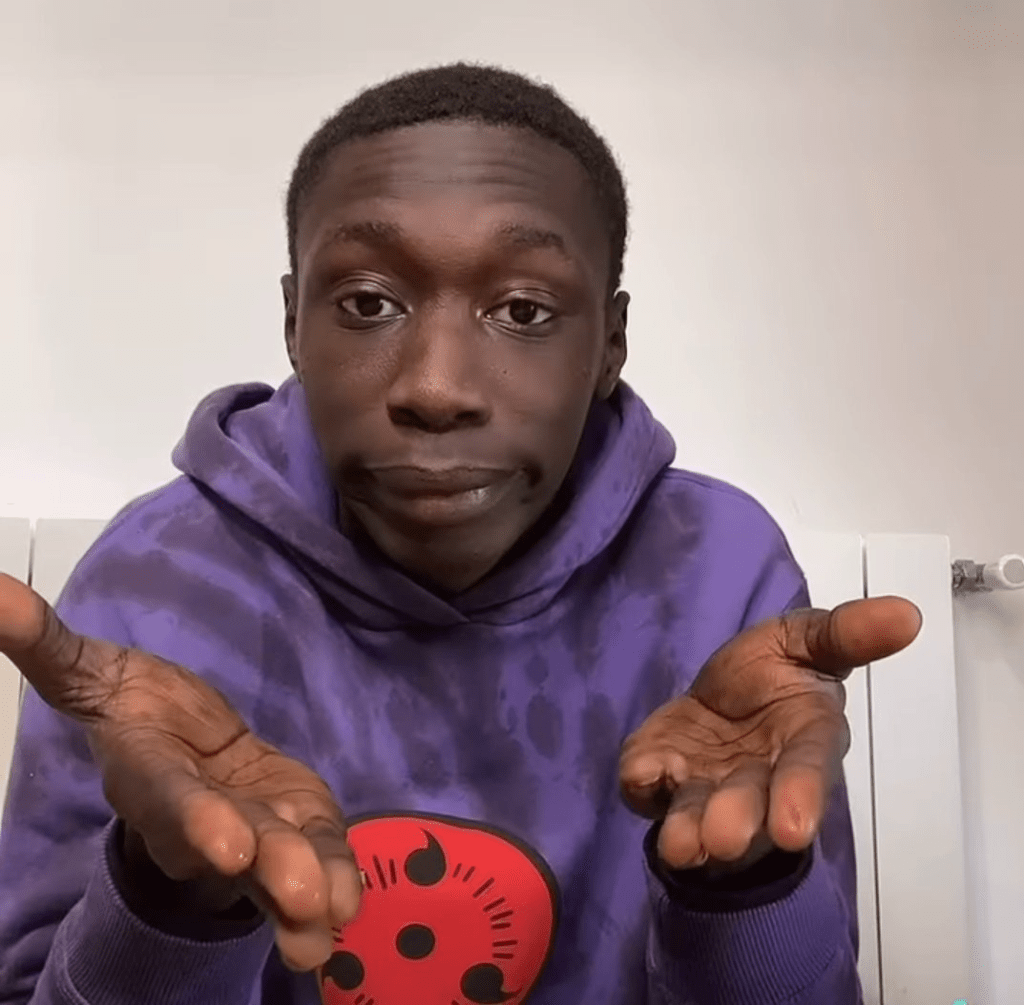
We live in a society.
Why is this the kind of representation that is popularly favored and why is this what the masses consume when we otherwise shirk gunman culture? We do our best to keep up with American trends and have lost that defining Jamaican quality in our popular music these days. Reggae artistes with “conscious” music do better abroad than here. They go where the money is and tour in Europe and America now, only having exclusive parties/performances a yaad. Music is widely understood to be a powerful tool and to think of our futures and the role it could play in influencing communal thought… are we sailing towards dangerous waters then? What wiil be the sound of the future?
 Sylvia Wynter's Dream
Leave a comment